
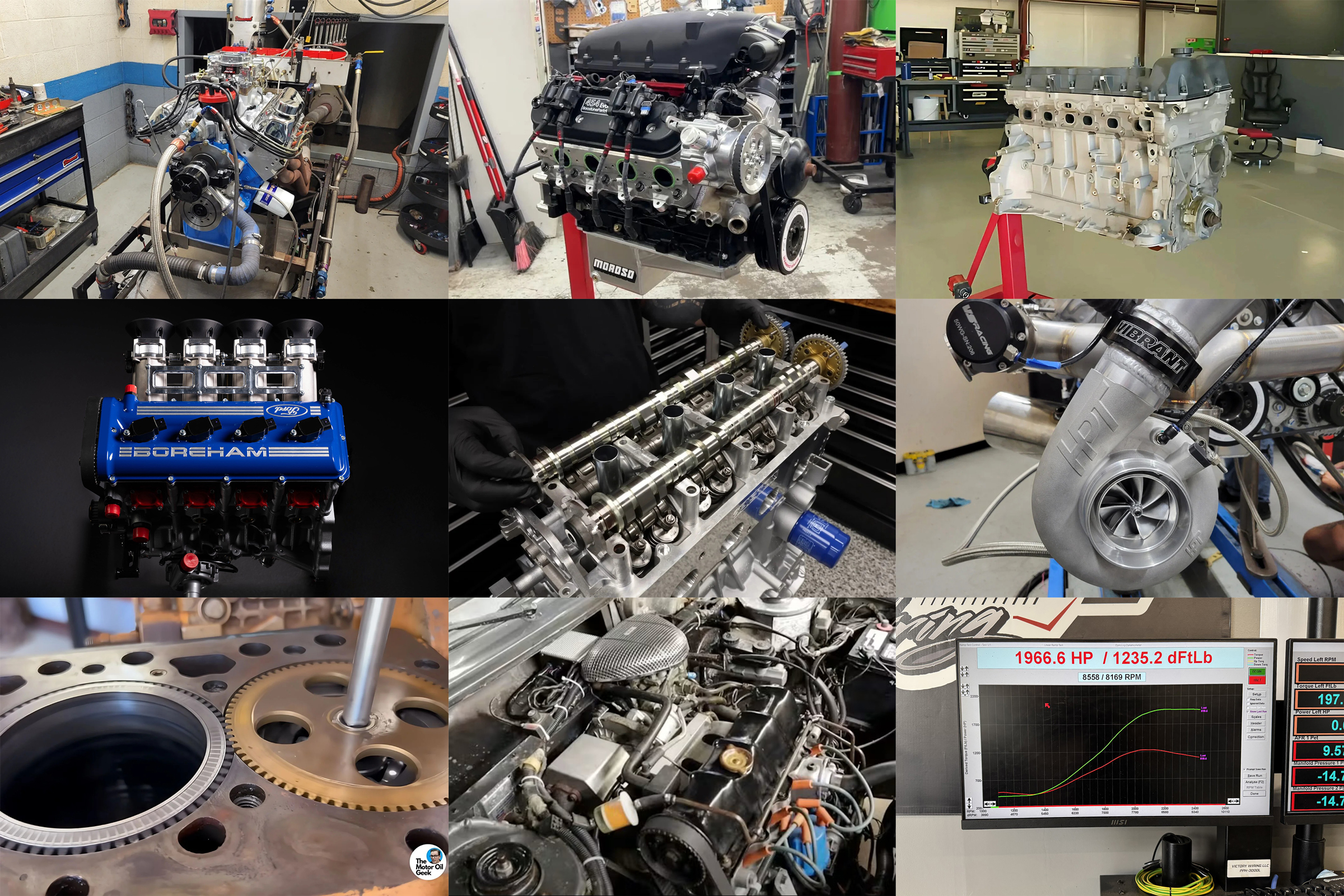
2025 has been an amazing year here at EngineLabs. We have covered some really cool engine builds, engine theories, and put together some amazing engine projects. This year’s top ten list shows no particular bias towards any one engine type or platform, showing how truly agnostic our audience is, and that what matters most is technology and horsepower. So, read on to the top 10 articles of the year in the 2025 EngineLabs Retrospective.
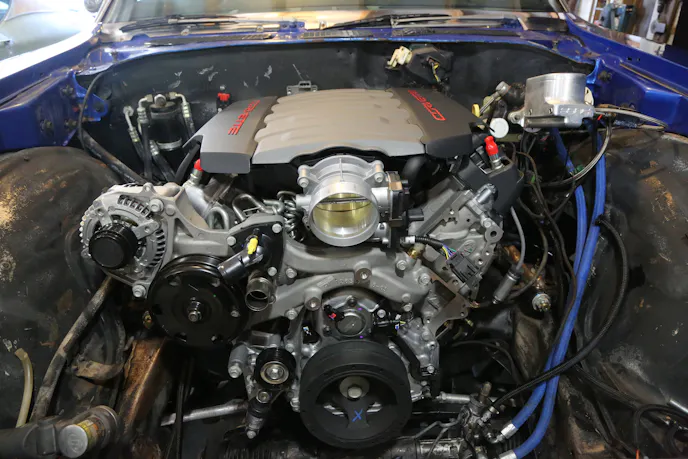
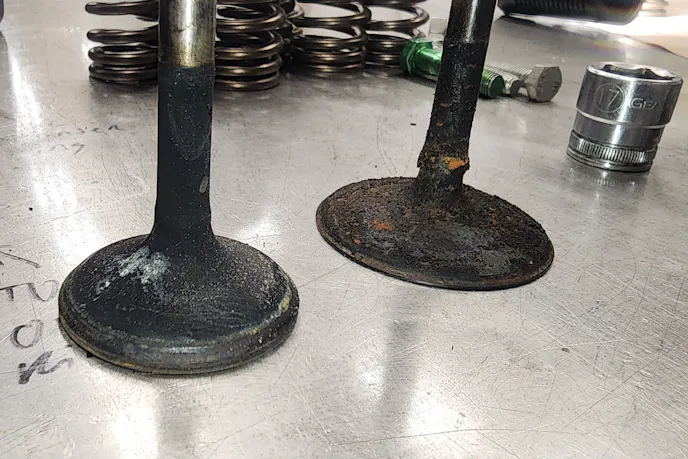
10: Sorting Out Gen V LT Lifter Failure With A Simple Valvetrain Fix
Coming in at number ten on the list is our article addressing the common GM Gen V engine’s valvetrain failures. While the culprit is often cited as the hydraulic-roller lifters used in the engines, it can also be noted that the Gen V engines use the same lifters as were used in the LS engines, but the LT engines experience higher failure rates. We explored the root cause of the failures, showing that the lifter failures were simply a symptom of a larger issue.
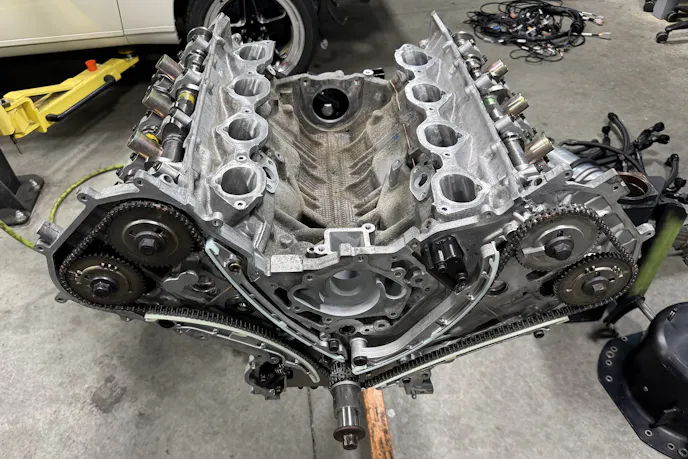
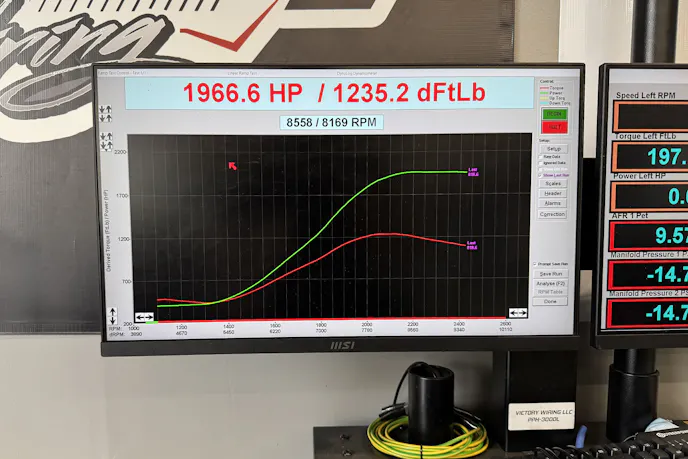
9: Japanese Sleeper: Nissan’s VK56 V8 Is A Relatively Unknown 2,000-HP Monster
Number nine on our list is a look at a widely overlooked engine platform out of Japan: the Nissan VK56. This 5.6-liter V8 engine can be found for next to nothing in junkyards and has the potential to hold 2,000 horsepower with the stock block and stock crank. In this article, we not only covered the VK56 and its variants, but also profiled Jon Rodger’s incredible, almost-2,000-horsepower engine build that was so incredibly simple and affordable it borders on the unbelievable. What’s truly unbelievable, though, is how slept on the VK56 platform truly is.
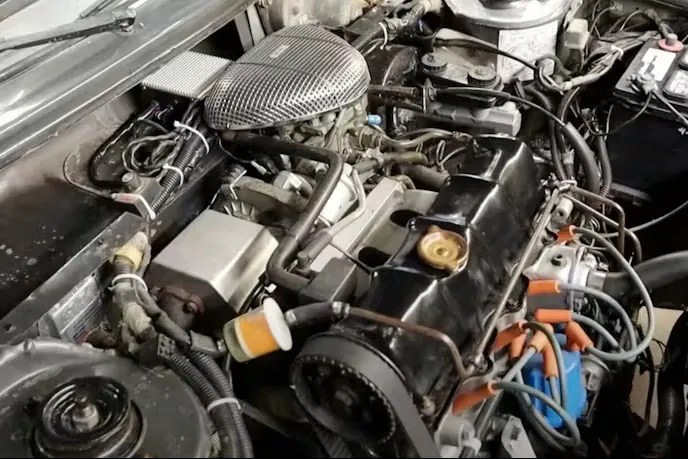
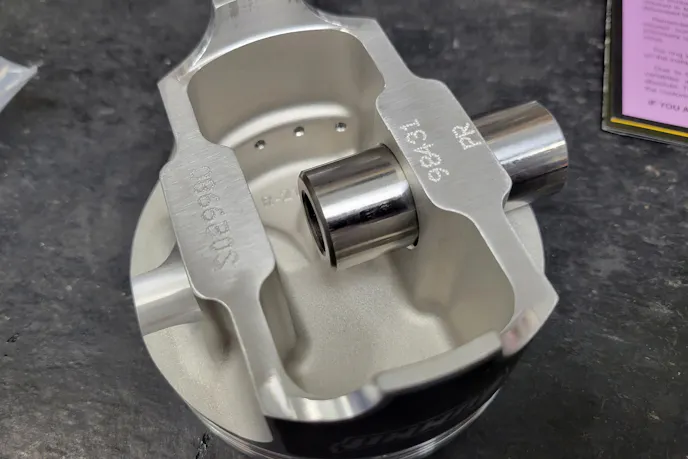
8: Smokey Yunick Tricks: Still Relevant Today or No?
Coming in at number eight on this year’s list is a look back at some of Smokey Yunick’s out-of-the-box tricks through a modern lens. First was the “Hot Vapor” engine. This unique theory showed incredible efficiency potential in several engine designs that Smokey put together. Unfortunately, modern EFI systems have relegated that particular trick to the “obsolete” pile. However, there are other theories and practices covered in the article that seem like common sense today. But, back in Smokey’s day, he was a pioneer in considering such things.
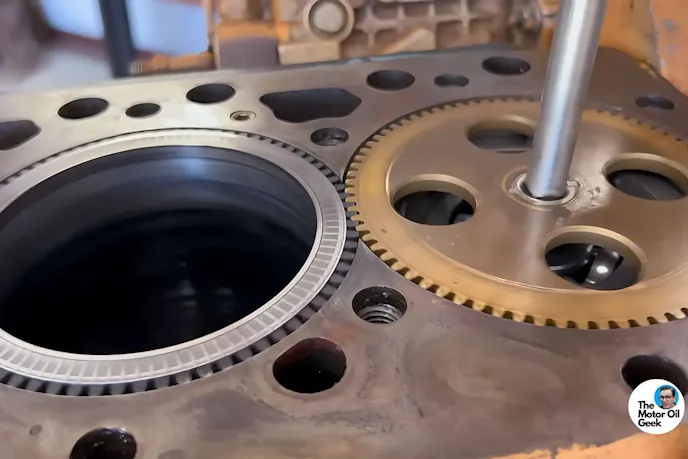
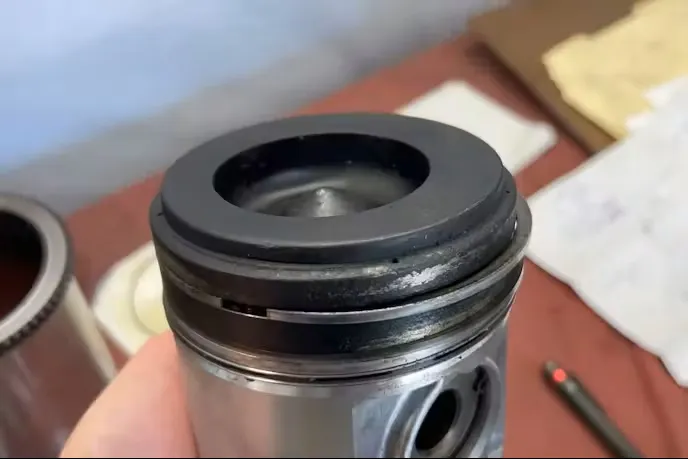
7: Rotating Cylinder Liners: Searching For Reduced Friction
Number seven is a wild theory brought to us by Lake Speed, Jr. — better known as The Motor Oil Geek on YouTube. In this article, we covered the idea that rotating cylinder liners — sleeves that rotate around the piston and ring while the engine runs — can reduce wear and increase performance. At top and bottom dead center, where the piston is at zero piston speed, and the rings stop being supported by a hydrodynamic wedge of oil. The basic idea behind the theory is that by rotating the cylinder liner, the hydrodynamic wedge remains in place, even at zero piston speed. It’s interesting enough to go read the full article.
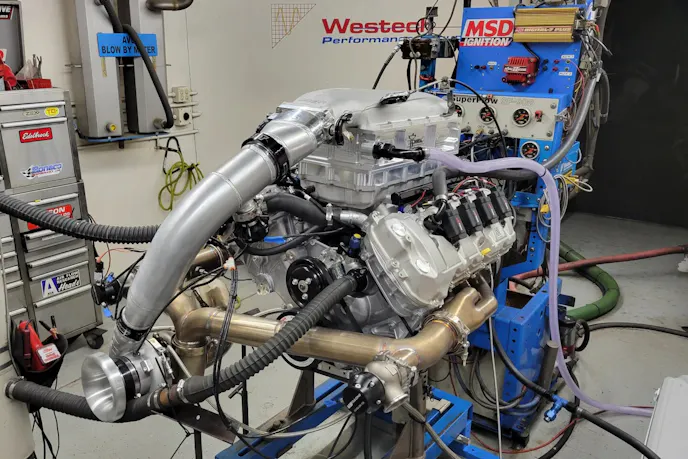
6: Horsepower Wars LS Vs. Coyote 3: The Dyno Declares A Winner
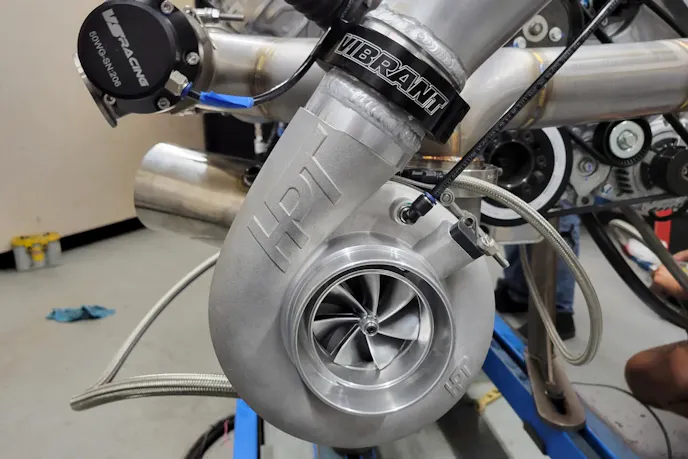
It comes as no surprise that the conclusion to this year’s running of Horsepower Wars LS Vs. Coyote 3 came in on our top ten. It might seem surprising that it’s only number six on the list, but that’s because we are only counting the popularity of the final episode. If we totaled up the reads and views across all the articles, it would be much higher on this list. In LS Vs. Coyote 3, we pitted a 5.3-liter Gen V LT engine built by Late Model Engines against a 5.0-liter Coyote built by Fast Forward Race Engines. Both engines ran the same 76mm turbocharger, and both had a full day on the dyno to squeeze as much horsepower out of their combination as humanly possible. The results were closer (and higher) than anyone expected, leading to an incredibly entertaining outcome.
5: 11,500 RPM And 400 HP Per Cylinder: 4 Piston Racing’s Wild K24
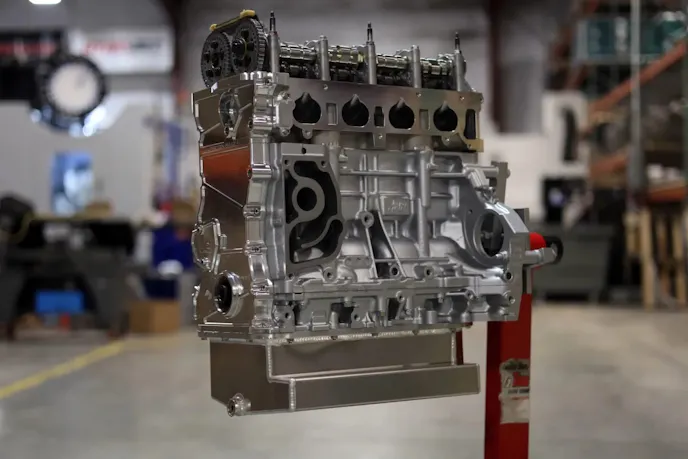
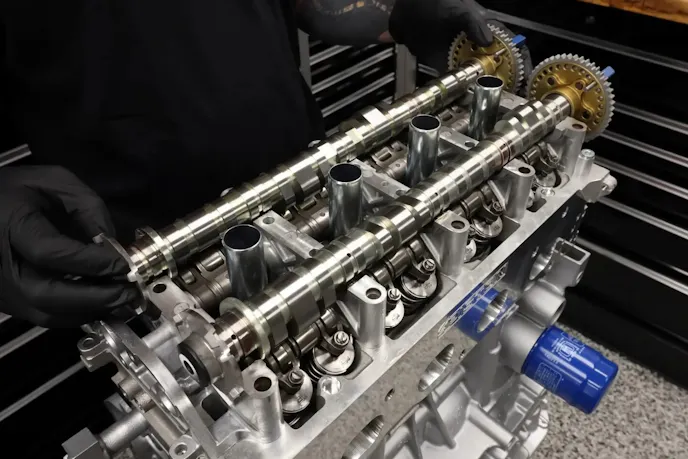
The number five article of the year is the first one on the list to be a four-cylinder. And while it only has four cylinders, it makes more power than most engines with double and even triple the number of cylinders. This incredible Honda K24 engine comes from 4Piston Racing and makes upwards of 400 horsepower PER CYLINDER. Going through the build process, it’s deceptively simple and involves strict quality control, good parts, and meticulous attention to detail. That is 4Piston Racing’s secret sauce. The rest is just basic science. Boost creates cylinder pressure, which makes power. By building an engine to handle insane cylinder pressure, they create an engine capable of making insane power. Not to minimize what they have done with this engine,but the show there is no magic involved. It’s simply applying the basics at an astoundingly high level.
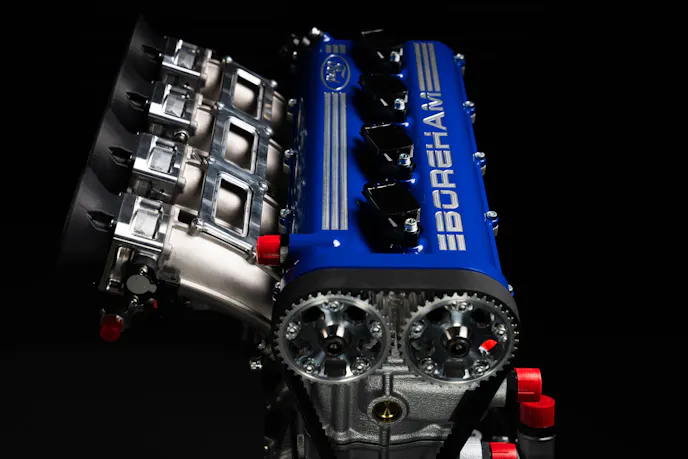
4: Boreham Ten-K: A 10,000 RPM Naturally-Aspirated Powerhouse
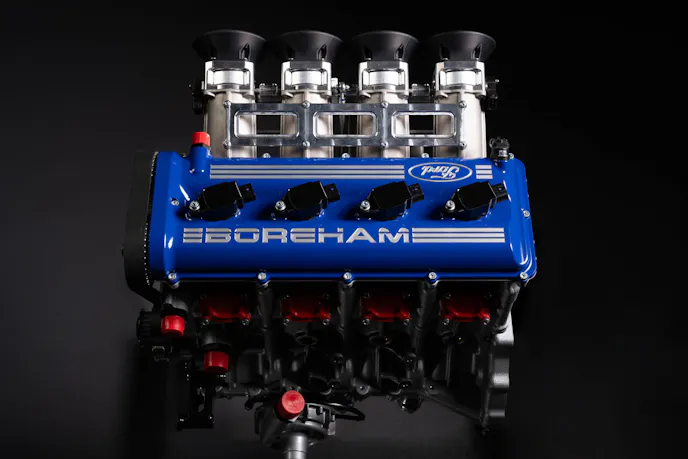
Sitting at number four of 2025’s top 10, this article is a late entry, posted with less than a month left in the year. The Boreham Ten-K engine is an incredible project by Boreham Motorworks. Designed to power the company’s modified Mk1 Ford Escort RS vehicles, the Ten-K is a 2.1-liter, naturally aspirated inline four that makes 325 horsepower and spins to, as the name suggests, 10,000 rpm. This engine is a wild project that features advanced manufacturing processes and extremely high-end components, like a billet crankshaft and dry-sump oiling system. Hopefully, Boreham will make these engines publicly available on their own, because who doesn’t need a 10,000-rpm four-cylinder with ITBs for their own project?
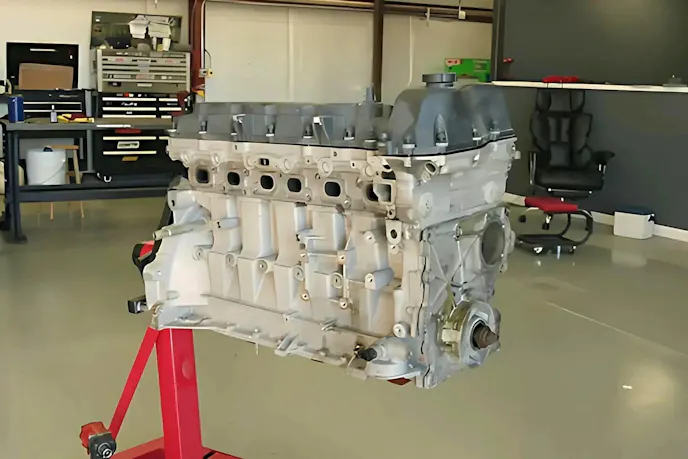
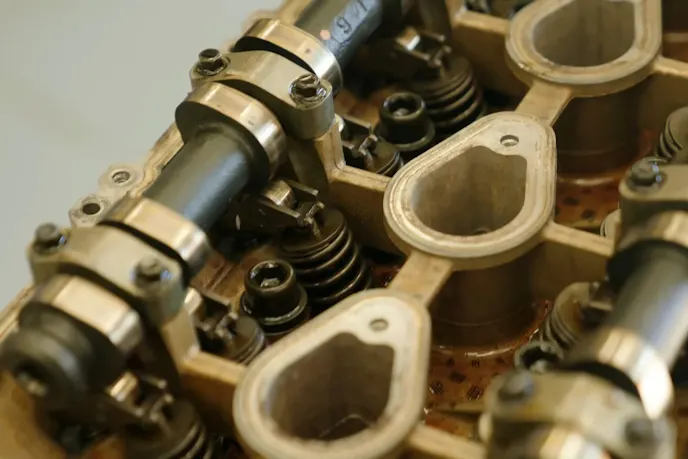
3: Is the Atlas 4200 the American 2JZ?
The world of inline-six cylinders is a popular niche, but coming in at number three shows that it’s more than just a highly specific niche. This was a video comparing the Atlas 4200 engine to the renowned 2JZ engine from Precision Engine Works. The comparison makes a lot of very good arguments for the potential of the Atlas engine, which has really flown under the radar of the performance world for most of its life. If you’re curious about modern inline-six engines, this one is worth a read.
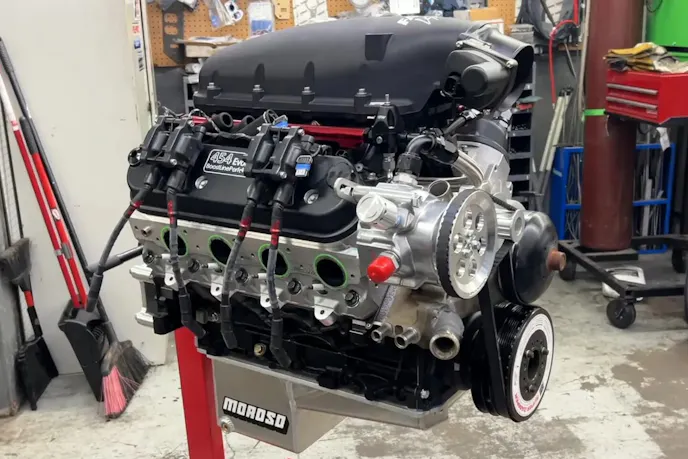
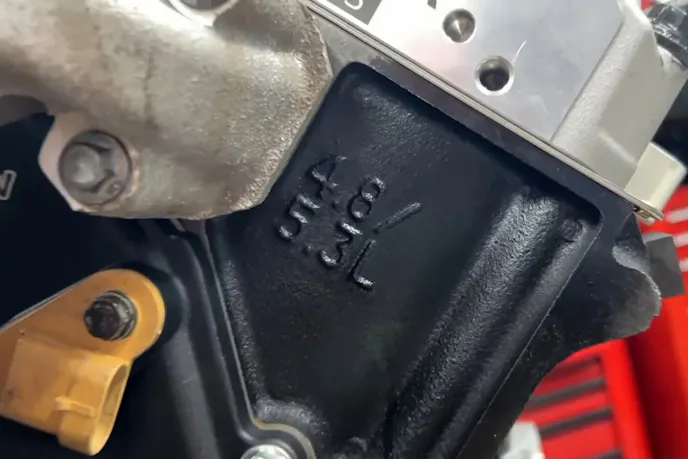
2: 454 Evolution: Turning A 5.3-Liter LS Into A 454-Cube Monster
Coming in at number two of the top 10 for the year, for good reason, is the article highlighting BoostLine Performance’s new sleeved iron 5.3L engine blocks, enabling them to create an affordable iron-blocked 454-cube LS engine. While it might sound simple on paper, Tommy Keeter put a lot of R&D into getting this combination to work, allowing him to turn the dime-a-dozen iron 5.3 blocks into a large-cube behemoth. We dive into the what, why, and how in this article, as well as cover one of BoostLine’s test mules that made well over 825 horsepower on the dyno, naturally aspirated. The whole project is incredible as it allows a monster engine to fit in the space of a humble 4.8L or 5.3L LS engine. That’s a whole lot of punch in a tiny package.
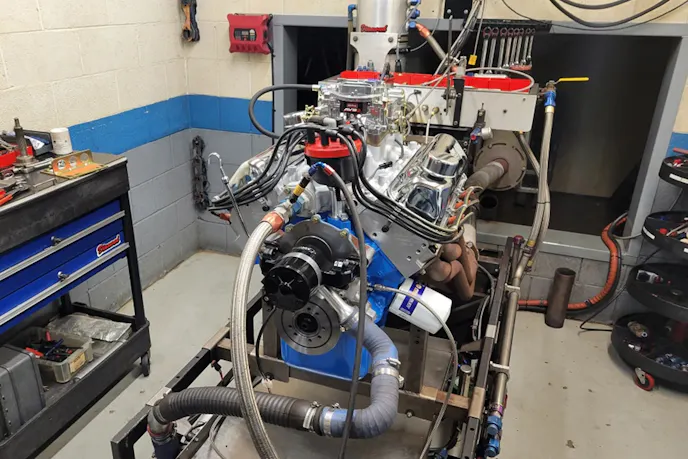
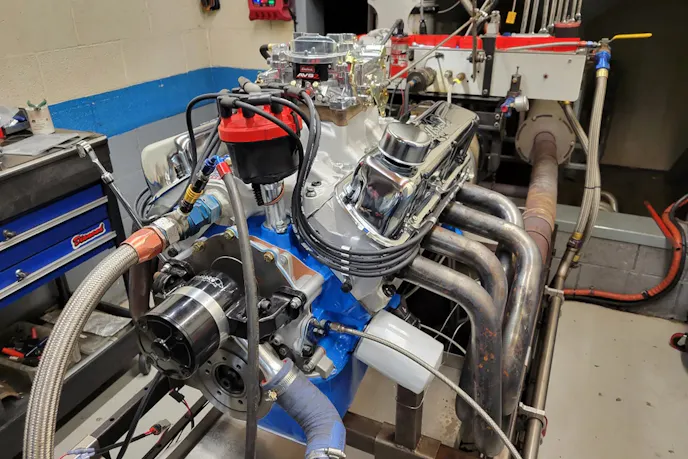
1: Dyno Tested: SBF Cleveland Vs. Windsor Cylinder Heads
The top article of 2025 was the first part of our Cleveland vs. Windsor Cylinder head test. If we include part two of the test, the article series sails even further off into the lead. In this test, we took a 347 cubic-inch 8.2-deck small-block Ford short block and tested two sets of heads on it. First, a traditional set of 190cc Edelbrock Performer RPM cylinder heads, followed by a piston swap, and a set of 190cc Performer RPM Cleveland cylinder heads. This configuration makes for a modern “BOSS 302” Clevor-style short deck small-block with out of the box, similarly sized cylinder heads. The results were impressive, and we highly suggest you check out part one and two to see just how impressive Cleveland cylinder heads still are in the modern age.
You might also like
Big-Block Bottom End: 632 Cubes Of EngineLabs Giveaway Short-Block
When it comes to badass short-blocks, the EngineLabs Giveaway 632 sits at the head of the table with some of the finest parts in the industry.