


Lake Speed, Jr. is one of the most respected voices in the performance automotive world when it comes to engine oil and lubrication. His reputation isn’t simply the result of a popular YouTube channel, though. Speed has spent more than two decades applying the science of tribology to racing engines, lubricants, piston rings, and cylinder finishes. Tribology is the science of friction, wear, and lubrication. His experience also includes lubricant development with Joe Gibbs Racing and extensive engine testing. He also owns SPEEDiagnostix, an oil analysis company that evaluates new and used motor oil.
That combination of laboratory science and real-world testing makes Speed’s technical demonstrations particularly interesting. In his recent Motor Oil Geek video, he tackled the question engine builders have debated for years. Do aftermarket zinc additives actually protect a flat tappet camshaft, and are they still necessary?
Why Zinc Became Such a Big Deal
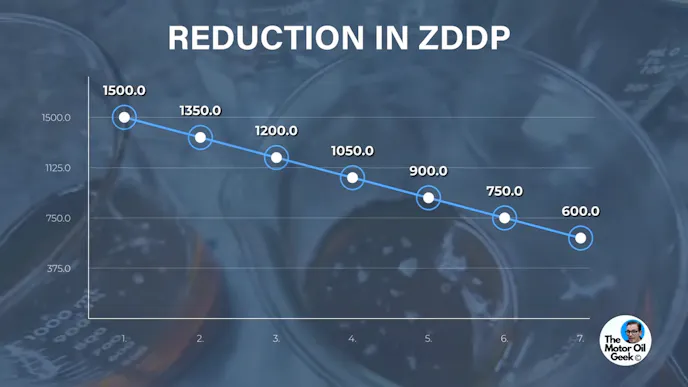
Zinc dialkyldithiophosphate, better known as ZDDP, has long been an important anti-wear component in motor oil. Speed explains that ZDDP levels in modern passenger car oils were reduced during the early 2000s. Levels dropped from roughly 1,200 ppm to a maximum of around 800 ppm. If you’re wondering what these changes mean for classic cars, our article, “Do classic cars need high zinc oil?” explores that in more detail. Detergent chemistry was also changing during that period.
For engines with flat tappet camshafts, this created concerns about valvetrain wear, particularly during initial break-in. Bottled ZDDP additives became a popular solution for enthusiasts wanting more anti-wear protection from modern oil. However, in his video, Speed’s testing demonstrates why simply adding more zinc isn’t necessarily the answer.
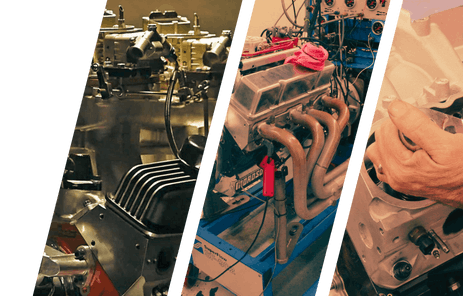
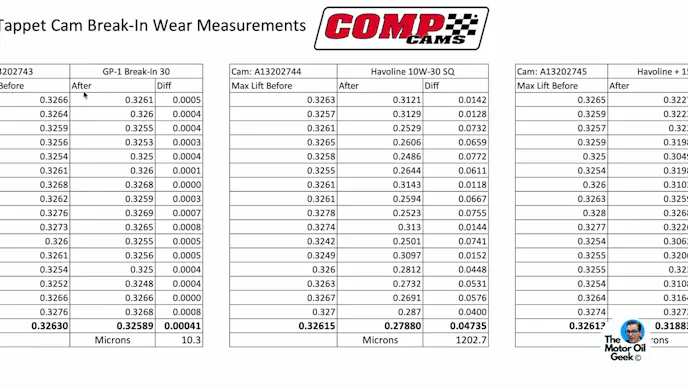
At Shaver Specialty Racing Engines, Speed used a small-block Chevrolet and a procedure backed by years of previous testing. In the first test, Speed used a dedicated, Driven GP-1 break-in oil that served as the baseline. After a 30-minute break-in, the lifters looked essentially new. With test number two, a current API SQ oil produced a dramatically different result. It contained substantially less zinc and used different ZDDP chemistry. During break-in, the camshaft and conventional lifters showed significant wear.
ZDDP Additives: More Isn’t Always Better
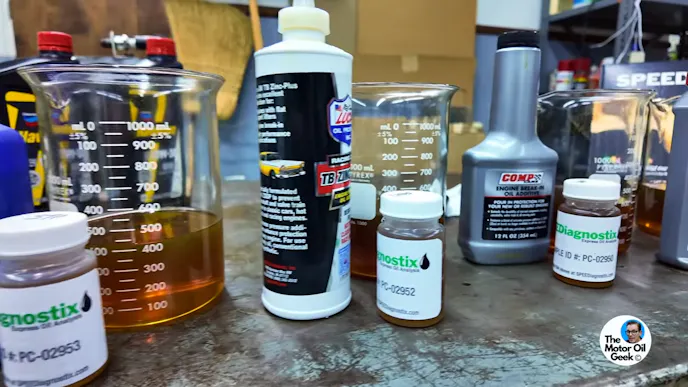
Speed then tested several aftermarket ZDDP additives; laboratory analysis revealed that the products didn’t simply increase zinc and phosphorus by the same amount. Some actually lowered phosphorus slightly, while others increased it. A third group pushed the phosphorus levels dramatically higher.
Speed selected products representing different additive levels, then put them to the test. In the first additive test (test number three), the cam and lifters still suffered unacceptable wear. For the next test, Speed changed just one part of the procedure. Instead of pouring the additive into the engine, he thoroughly pre-mixed it with the oil. The difference was dramatic.
The previously unsuccessful combination from the third test produced lifters resembling those run with the dedicated break-in oil. Speed attributes that difference to something his previous testing had already demonstrated. The first two minutes of a flat tappet camshaft’s life can determine whether or not it survives.
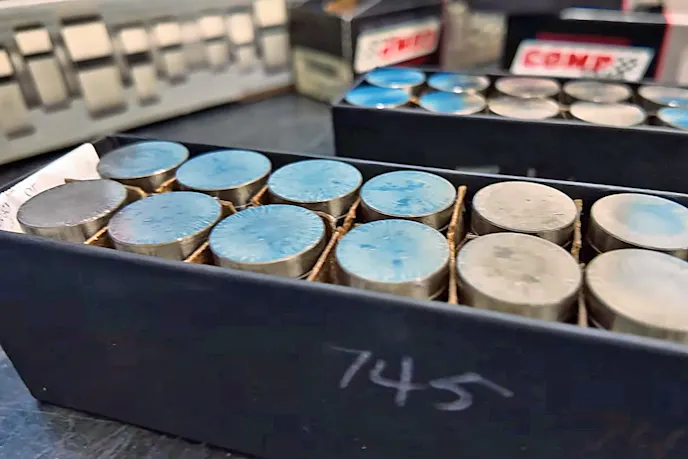
When the thick additive was poured in separately, it didn’t reach the camshaft during those critical first moments of break-in. Premixing ensured the anti-wear chemistry was available during that crucial window of time. There was also an important lesson to be learned from another test. An additive containing considerably more zinc and phosphorus still failed to provide adequate protection. The amount of ZDDP is only part of the equation. The type of ZDDP and overall additive chemistry matter as well.
DLC Changes the Equation
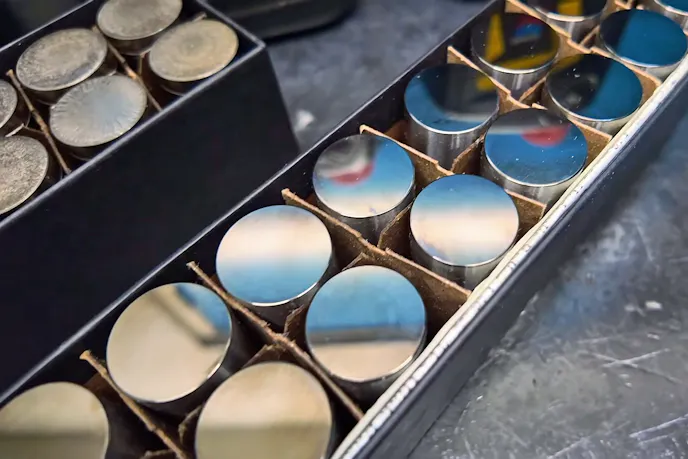
Perhaps the most interesting test came next. The conventional lifters were replaced with DLC-coated versions. Diamond-like carbon, or DLC, is a low-friction, wear-resistant coating. It changes the tribological relationship between the camshaft and the lifter. The API SQ oil that performed poorly with conventional steel lifters suddenly performed extremely well with the DLC-coated lifters.
The experiment was taken one step further by testing the DLC lifters using base oil containing no additive package at all. The cam lobes and lifters again appeared to be in remarkably good condition. However, oil analysis revealed increased wear elsewhere in the engine. That distinction is important. DLC protected the cam-lobe-to-lifter interface, but the rest of the engine still relied on a properly formulated oil.
Looking Inside the Engine Through the Oil
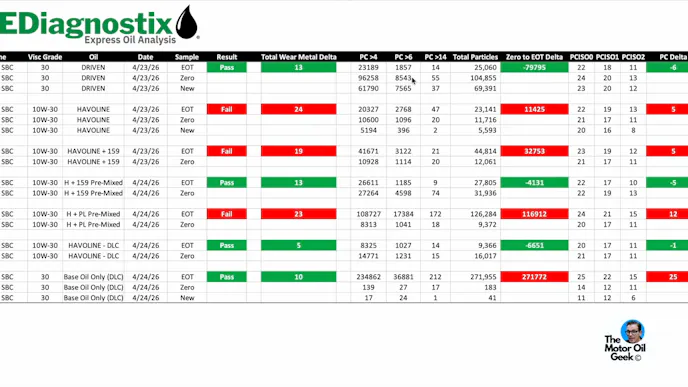
Visual inspection was backed by used oil analysis and particle counts from SPEEDiagnostix, while Comp Cams handled the direct camshaft measurements. The wear metal data closely correlated with the components that survived or failed. In the process, Speed also used particle counts to look at debris larger than eight microns. His testing measured debris greater than the 4-, 6-, and 14-micron thresholds.
During the successful break-in test, particle counts actually decreased as the oil filter removed debris. During camshaft failure, particle counts increased despite filtration. Wear was generating debris faster than the filter could remove it. Combining wear metal analysis with particle counting provided a much clearer picture of what was happening inside the engine.
The Measurements Tell the Story
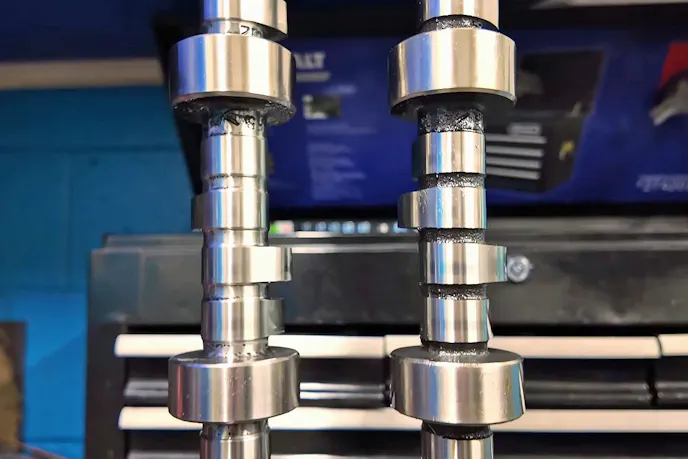
The final camshaft measurements weren’t especially revealing. Speed reported that the break-in oil historically produced approximately 5 to 10 microns of average cam lobe wear in this engine. The Driven GP-1 baseline measured about 10 microns. The API SQ oil with conventional lifters produced catastrophic wear. Adding the appropriate ZDDP supplement helped, but pouring it directly into the engine still resulted in excessive wear. Premixing that same additive brought wear back into the range produced by the dedicated break-in oil.
Then came the DLC lifters. Average cam lobe wear measured less than one micron. Speed described it as the best result he had seen in more than 15 years of his testing. Oil chemistry, additive concentration, component materials, surface finishes, operating conditions, and coatings all interact. Even the stage of the component’s life can change its lubricating requirements.
An oil that failed spectacularly in one combination performed adequately after break-in. Change the lifter technology to DLC, and the same oil produced an exceptional camshaft wear result. For engine builders, that may be the most useful lesson from Speed’s testing. Don’t try to fix the wrong oil by blindly adding chemistry. Choose the lubricant and additive package that matches your components and application.
As Speed’s testing demonstrates, successful lubrication isn’t simply about having more of a particular additive. In the end, an effective break-in came down to matching the right components with the right oil chemistry.
You might also like
Valve Spring Retainers: Discussing Durability Vs. Mass With Melling
Valve spring retainer material choice is a balance of durability, weight, and fitment based on application and use.