
Melling built its reputation on engine components decades before today’s aggressive street camshafts and higher spring pressures. Founded in Jackson, Michigan, in 1946, the family-owned company marks its 80th anniversary this year. Melling valve spring retainers are part of a performance lineup that extends well beyond its signature oil pumps.
Valve spring retainers may be small, but they do a big job. Alongside the locks, they secure the valve spring to the valve stem as part of the complete valve assembly. For street performance builds, choosing the right material requires balancing weight, durability, and cost. A lighter part isn’t automatically the better part for the application. Cale Risinger, Melling Aftermarket and Performance Product Manager, offers insight into these trade-offs and how they affect retainer selection.
One of the easiest ways to destroy an engine is dropping a valve.
Cale Risinger ~ Melling Aftermarket and Performance Product Manager
Valve Spring Retainers: Chromoly or Titanium?
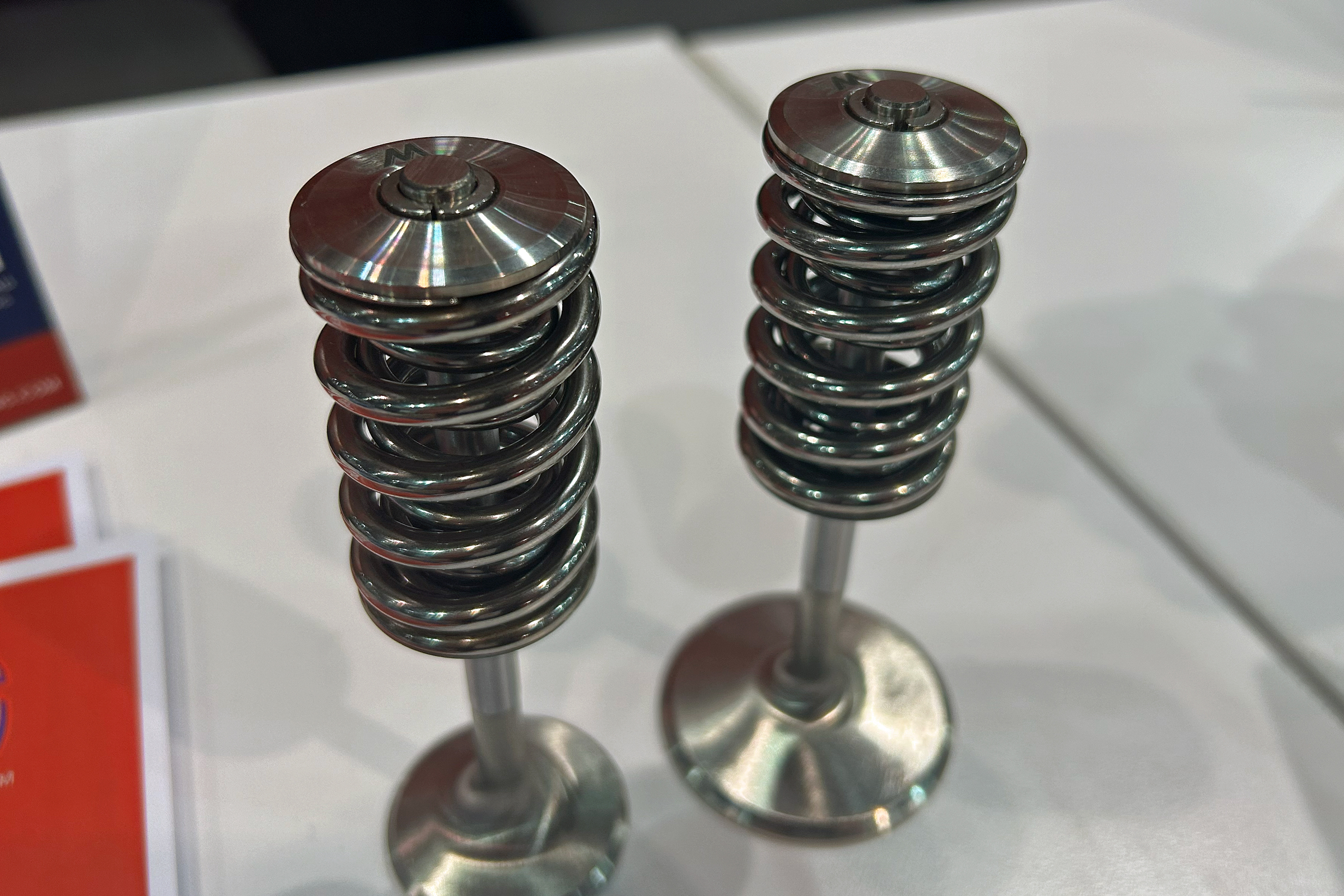
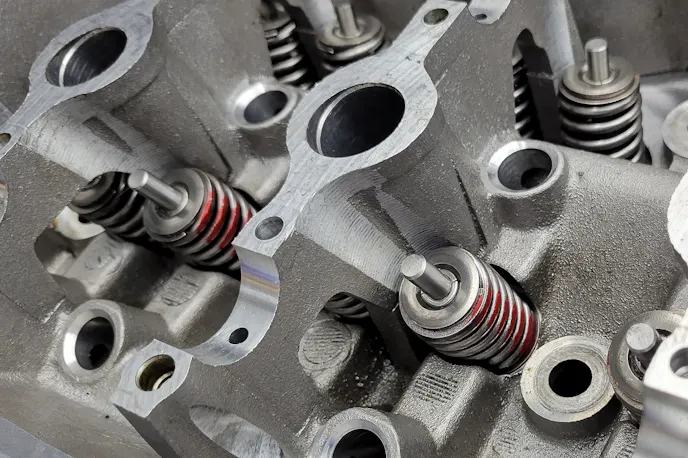
Melling valve spring retainers are made from 4140 chromoly steel, along with titanium versions using 6Al-4V or TI-17 alloys. Each offers a different approach to the same job: securely retaining the spring while surviving potentially aggressive valve events. For a mild street engine, chromoly provides a durable, economical starting point. It can handle performance applications when the spring loads, camshaft, and remaining components suit the combination. Its primary drawback is the added mass compared with a similar titanium retainer.
Chromoly retainers generally cost less than comparable titanium versions. Regardless of retainer material, builders must select the correct springs, verify assembly measurements, and perform routine inspections. Choosing titanium alone does not guarantee better reliability in a street performance engine.
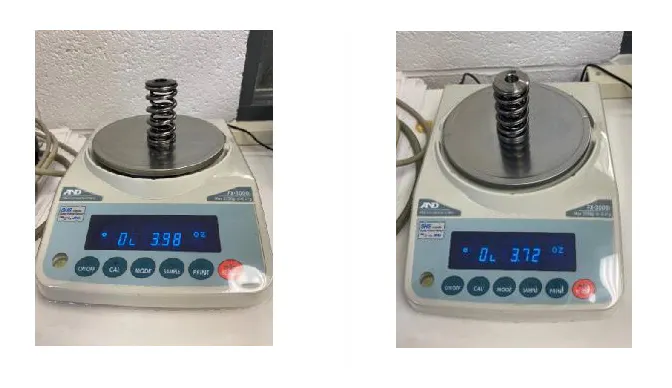
Titanium offers a distinct advantage when it comes to weight. It allows for a lighter retainer, reducing moving mass in the valvetrain. This can improve valve control and overall stability as engine speed increases. In one example involving a dual-spring retainer roughly 1.3 inches in diameter, Risinger cited about .26 ounce of weight savings per retainer when switching from Melling’s chromoly part to its titanium counterpart.
Roughly seven grams may not sound significant. However, the retainer contributes to the reciprocating mass of the valvetrain. As engine speed increases, the inertial force associated with that retainer rises with the square of RPM, meaning that doubling engine speed produces four times that force. Reducing retainer weight lowers the inertial load the valve springs must control, particularly at higher RPM. This can improve valve control and help reduce the risk of valve float.
Choosing the Right Retainer for Your Build
Start with the engine’s intended use, not the lightest part in a catalog. A weekend cruiser with a modest camshaft and a sensible RPM limit can use a properly matched chromoly retainer all day long without worry. It delivers useful durability without the cost of a titanium upgrade. The equation changes as the combination becomes more demanding. A street/strip engine with an aggressive cam profile, increased spring pressure, and frequent high-RPM operation places greater demands on valve control. Reducing retainer mass can provide an additional benefit, but proper valve spring selection and a well-matched valvetrain remain essential.
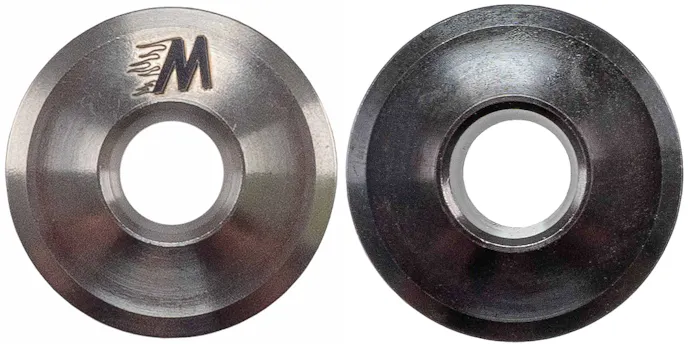
Engine speed alone cannot determine when a build requires titanium retainers. Instead, Risinger emphasizes the importance of “total system mass and total system stiffness” when evaluating the complete valvetrain. The valve, spring, retainer, locks, rocker, pushrod, lifter, and camshaft all influence the result. Components flex under load, and that movement affects how accurately the valve follows the cam’s intended motion.
For example, moving from a 0.080-inch to a 0.110-inch-wall pushrod can improve stiffness. Replacing a heavy retainer with a titanium version can reduce moving mass. Both changes may contribute to better valve control, but neither is a substitute for properly matched valve springs and correct valve geometry. That is why retainer material should be part of a larger plan, not a shortcut to a higher redline. For more information, check out our EngineLabs feature on how Melling develops its camshafts.
Valve Spring Retainers and Lock Fitment
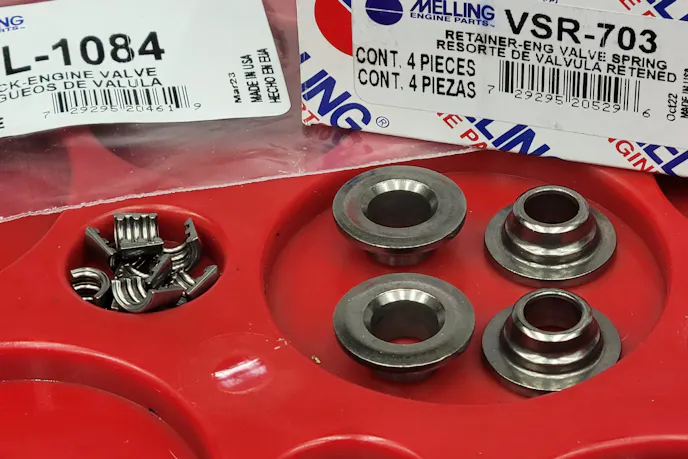
Material is only half the decision. The retainer must also match the spring, valve stem, and locks. Mismatched retainers, locks, or valve stem grooves can prevent the assembly from seating securely. The retainer and valve locks must have matching taper angles to ensure proper engagement. Melling currently offers performance locks and matching retainers with a 7-degree taper. During our conversation, Risinger explained that Melling is developing 10-degree retainers and locks as well, but a release date has yet to be announced.
The lock’s groove profile matters as much as its taper. Valve stems use different groove designs, and the locks must engage the correct profile. Even if the components appear to fit together, they may not engage securely. Spring style also determines retainer design. Each spring design, whether single, beehive, conical, or dual, requires a compatible retainer. Dual-spring retainers typically feature steps to locate and support both the inner and outer springs.
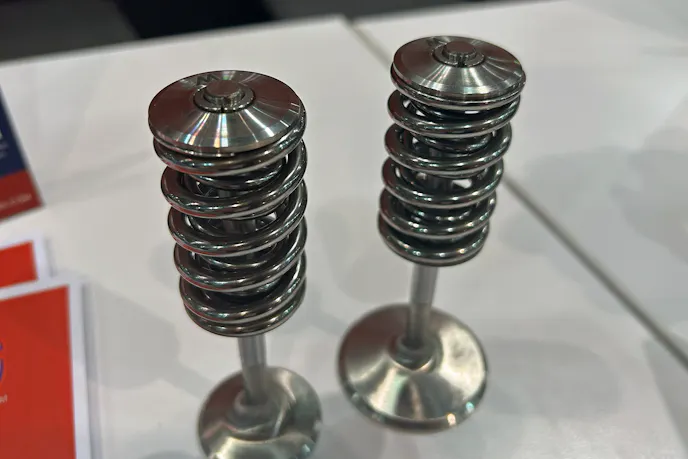
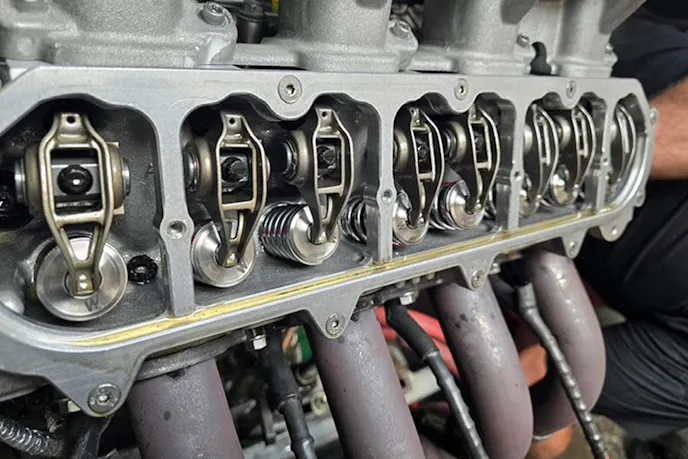
Even when using parts designed to work together, builders should verify installed height with the retainer and lock combination, as offset locks can change the installed height. That necessitates a checking for coil bind at max valve lift and verifying spring pressures. They must also confirm that there is sufficient space between the retainer and valve seal. Finally, ensure the rocker arms cannot contact the retainers during operation.
Durability Begins With the Complete Assembly
Steel’s durability and lower price make it attractive for many street builds. Titanium offers reduced mass when the combination needs that advantage. Neither choice eliminates the need for correctly matched components, proper fitment, and regular inspections. Component compatibility matters more than saving a few dollars or a few grams. Failure carries consequences well beyond the cost of a retainer. If the locks or retainer fail to secure the valve, the engine will drop a valve into the cylinder. In order to catch any issues early, during inspections, check for damage, unusual contact patterns, and improper seating. Some problems are difficult to detect without disassembly, but careful inspection of the retainer, locks, and spring remains essential.
Choosing Components That Work Together
Melling’s valvetrain lineup includes springs, retainers, locks, and related components. The company manufactures its own valve springs, making them genuine Melling-produced components rather than another manufacturer’s springs repackaged under a different name. This in-house manufacturing capability gives Melling greater control over production processes and quality standards while supporting its expanding valvetrain lineup. Ultimately, the best retainer complements the entire valvetrain assembly. For Assistance selecting Melling products, contact the company’s ASE-certified technical team.
You might also like
10K Technology's Wild Aftermarket Godzilla Heads Flow Like Crazy
Ben Strader previews 10K Technology’s new Godzilla cylinder head at Holly Ford Fest, highlighting airflow and strength.