


In the past, we’ve discussed this topic in a similar application: Whether you should pre-fill your oil filter during an oil change. The concept of delayed oil pressure is exactly what pre-filling your oil filter is combating, and exactly why pre-filling your filter is a good idea. But, what about once you’ve completed your oil change? EPARTRADE’s Brad Gille discusses exactly that with Kevin Baxter, President of Baxter Performance.
Every time you shut your engine off, gravity does its best to take the oil from the highest point in your engine to the lowest point. Without any kind of anti-drainback provisions, engines can completely empty the oil system back into the pan in as little as 18 minutes. “We found out there is a lot of oil drain-out at engine shutdown,” says Baxter. “The 3.6-liter Pentastar engine they’ve been building since 2011 drains out in about 35 minutes. Ford’s 2.7-liter and 3.0-liter EcoBoost engines drain out in about 18 minutes.”
That means that when you go to start your engine, you are encountering that same kind of delayed oil pressure situation as when you change your oil and put an empty filter on. While that might seem like no big deal, modern engines have a number of oil-pressure-dependent systems built into them, like variable valve timing controls. “These prolonged dry starts are hard on systems, especially the modified valvetrains we have today, where you have cam phaser gears and things like that. So, it’s not about just getting lubrication to components that need it, but oil pressure as well,” Baxter explains.
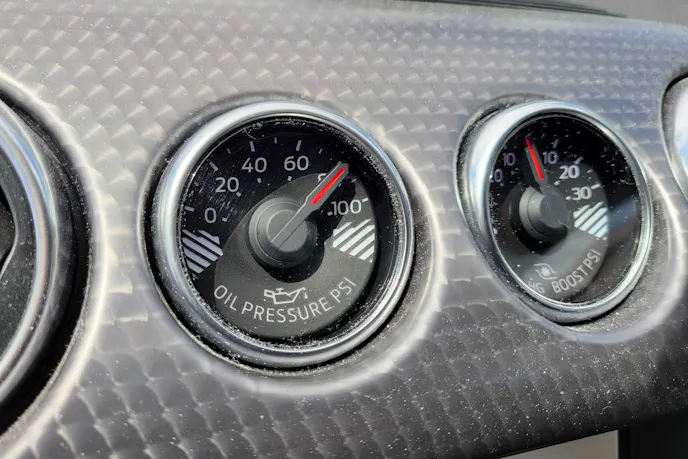
Remember too, we’re not talking about a situation once every 3,000 miles. Delayed oil pressure is happening every time you start the car, if it’s been sitting for more than 15 minutes. “Oil has to go from the pump, up to the filter, then goes back to the oil gallery to feed the crank, and then goes up to the heads. That whole cycle can take up to three and a half seconds,” says Baxter.
“People like to argue about that number, that it doesn’t take that long, and of course, it depends on the temperature of the oil and things like that. There are some variables for sure. But, we just put a camera in the engine and looked at it. We didn’t see oil coming into the valvetrain for three and a half seconds. So, seeing is believing.”
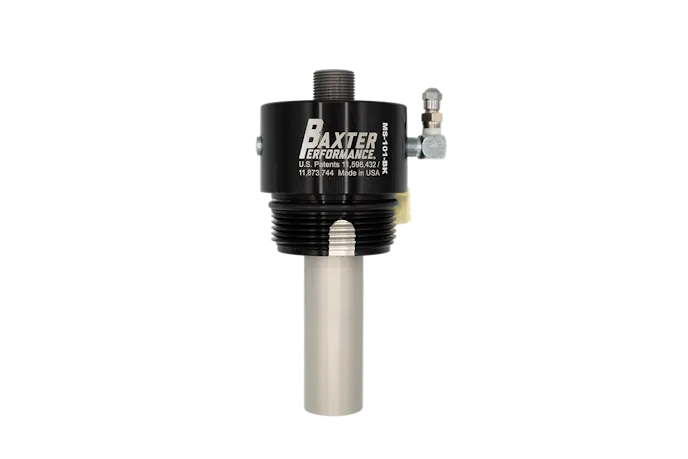
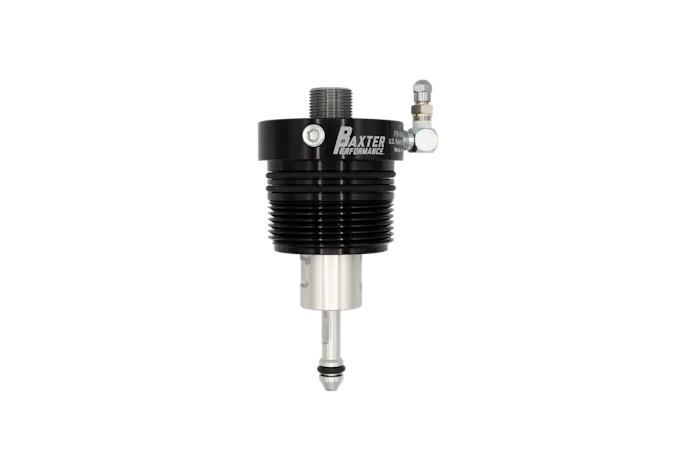
Some engines have anti-drainback systems in place from the factory. However, a lot don’t, which is what motivated Baxter into developing the screw-on anti-drainback filter adapters. Fitting between the oil filter and the engine block, Baxter’s adapter not only fits a one-way check valve to prevent drainback, but also a Schraeder valve in order to pressure-bleed your filter during an oil change, so you don’t dump oil everywhere. “We’re not just draining the oil filter, but also backflowing the pickup tube, removing debris off the primary screen as well,” explains Baxter.
This only gets us about a quarter of the way through the discussion in the EPARTRADE webinar, so we highly recommend you watch it in its entirety. There is a lot of interesting information shared.
You might also like
Engine Pro Releases Sportsman Series Flexplates And Bolt Kits
Engine Pro's new line of Sportsman Series flexplates proves that you don't need a big pricetag to handle big horsepower.