
For more than 50 years, SCAT Crankshafts has been winning races and putting smiles on the faces of horsepower freaks around the world. And now the company is entering a new era.
SCAT recently relocated its headquarters and manufacturing operations from its longtime home in Redondo Beach, California, to a new facility in Oxnard, CA. While moving a manufacturing operation is never a small undertaking, this wasn’t simply a matter of loading machines onto trucks and changing the address on the website. According to Jimmy Martz, SCAT’s Vice President and General Manager, the move was designed to fundamentally improve the way the company designs, develops, manufactures, tests, and delivers products.
For engine builders, racers, and horsepower enthusiasts, that’s definitely good news. The relocation provided an opportunity for SCAT to make a significant investment in several areas of the manufacturing process that should ultimately translate into better products and improved availability. After all, it doesn’t matter if you make the best crankshafts in the world if you can’t get your product to the engine builder when they need it.
More Than a Change of Address
When companies announce facility moves, it’s easy to assume the goal is simply more space or cheaper rent. In SCAT’s case, the move was much more strategic.
“The move was driven by our commitment to continuous improvement and our vision for the future of the company,” Martz explains. “This wasn’t simply a relocation of equipment. It was an opportunity to redesign the entire operation around modern manufacturing principles.”
That’s an important distinction. Many manufacturers spend decades adding machinery, departments, and processes wherever space allows. Over time, even highly successful operations can become a patchwork of work cells and departments that evolved organically rather than being intentionally designed around efficiency.
Starting from scratch with a new facility and a blank floor plan gave SCAT an opportunity to rethink everything.
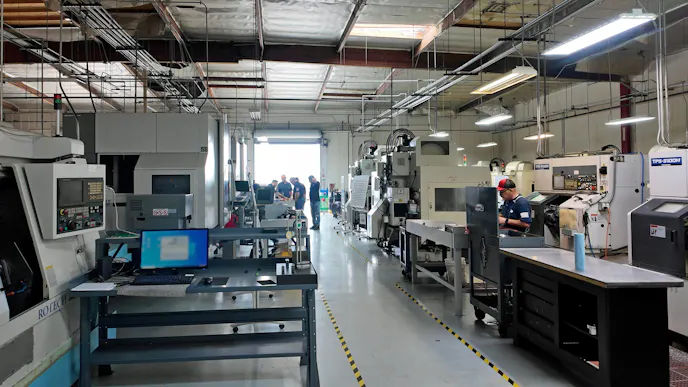
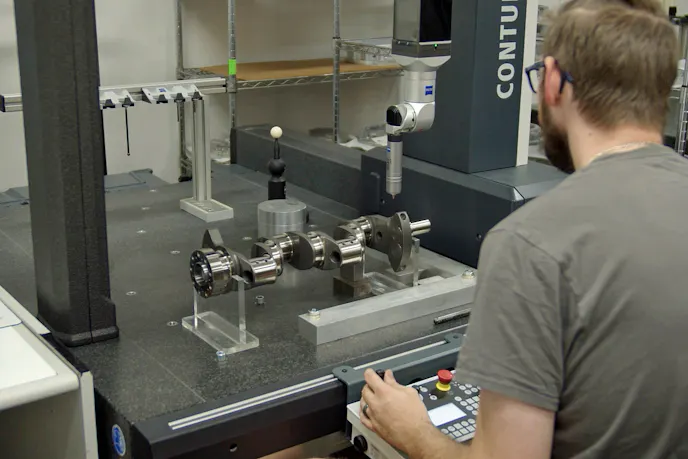
The company created dedicated engineering and quality-control departments, implemented ways to improve communication between teams, expanded testing capabilities through an updated in-house dyno test cell, and developed a workflow designed to move products more efficiently from concept to production and finally into customers’ hands.
That’s significant because, as Martz says, performance parts don’t become great products by accident. The best components result from relentless research and development, and everyone involved, from machinists to quality-control personnel and manufacturing teams, pulling in the same direction. When those departments work closely together, problems get solved faster, and improvements happen more quickly.
“Ultimately, it’s all about quality and performance,” Martz explains. “The opportunity to move SCAT into a state-of-the-art manufacturing facility was something that supports the next generation of product development while delivering a higher level of quality and service to our customers.”
Why Engine Builders Should Care
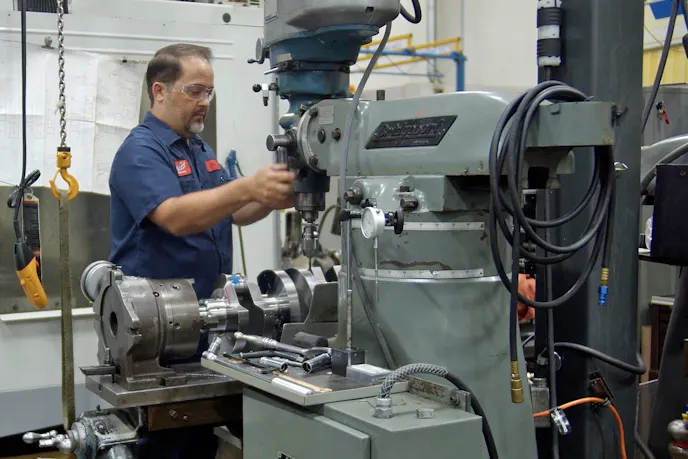
Most enthusiasts never see what happens behind the scenes when a crankshaft or connecting rod is manufactured. They simply order parts with the expectation that they will arrive on time and perform as advertised. But manufacturing efficiency has a very real impact on the customer experience.
The performance aftermarket has faced numerous supply chain challenges since COVID turned the world on its ear all the way back in 2020. The ravages of that disease are largely behind us, but the harm it had on worldwide shipping is still being felt. Builders have become painfully familiar with backorders, extended lead times, and inventory shortages. One of SCAT’s primary goals during the move was finding ways to improve responsiveness while maintaining quality standards.
“The facility move gave us an opportunity to evaluate nearly every aspect of our manufacturing process,” Martz says.
That evaluation led to the implementation of lean manufacturing and Six Sigma initiatives aimed at reducing waste, improving efficiency, and creating a more organized production environment. The company also examined all of their tooling, fixturing, workstation layouts, workflow processes, inventory management systems, and production scheduling to see where they could strengthen any weaknesses.
None of that sounds particularly glamorous. And it isn’t. But it definitely matters.
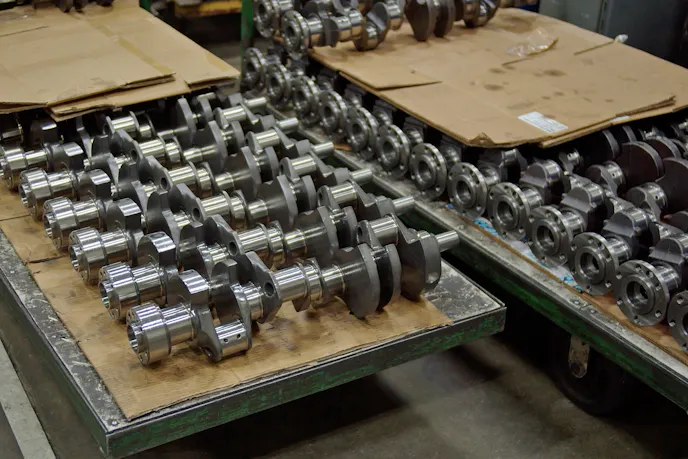
Martz points to the implementation of an ABC inventory strategy as one example. By better aligning inventory levels with actual customer demand, SCAT can ensure its highest-volume products remain available when customers need them. For engine builders trying to get the next custom engine out against a tight deadline so a customer can make the race, shorter lead times and improved product availability can be every bit as valuable as another 10 horsepower.
As Martz notes, many of the individual improvements may appear small, but together they create meaningful gains when it comes to providing a crankshaft that’s capable of anchoring a race-winning engine that’s also free of defects and will last an entire season or more.
Keeping Manufacturing Close to Home
One aspect of SCAT’s operation that remains unchanged is its commitment to keeping everything from engineering to final inspections and even shipping closely connected. That’s becoming increasingly important in today’s global manufacturing environment.
Many performance companies source products from multiple suppliers around the world. That approach can gain cost advantages, but it often also creates challenges if a quality issue pops up or you decide it’s time to make changes to improve the product. When your engineers and the manufacturing facility are separated by continents, it’s impossible for delays and miscommunication not to pop up.
“One of our biggest advantages is control and collaboration,” Martz says. “Our engineering, manufacturing, and quality teams work closely together throughout the entire development process.” Being in the same place means face-to-face communication is as simple as walking over to a coworker’s desk and happens every day.
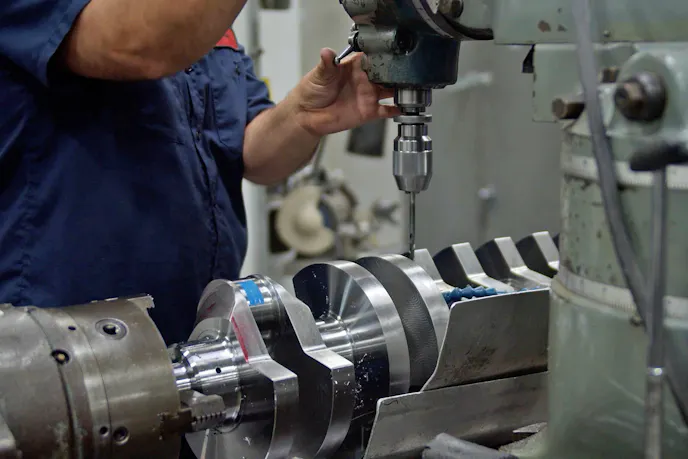
Martz also describes an environment where engineers can walk directly onto the production floor, inspect a component, discuss improvements with machinists and quality-control personnel, and quickly implement changes. Seeing the advantage in this setup is just good common sense.
Martz acknowledges that moving manufacturing overseas can cut labor costs and result in a cheaper final product. That’s a reality every American manufacturer faces. But when it comes to high-performance components, especially billet crankshafts and premium racing products, SCAT believes the benefits of maintaining domestic manufacturing capabilities outweigh those cost differences.
For racers, that translates into faster product development, improved quality control, and especially quicker updates when your racing series changes the rule book. In other words, the company can spend less time reacting and more time innovating.
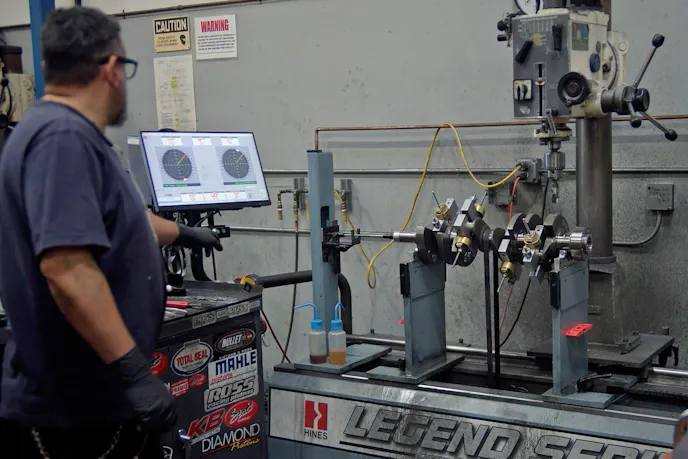
The Machines Behind the Magic
There’s something fascinating about watching raw steel transformed into precision engine components capable of surviving thousands of horsepower and extreme RPM. While the new facility includes numerous improvements, Martz says one machine consistently captures everyone’s attention.
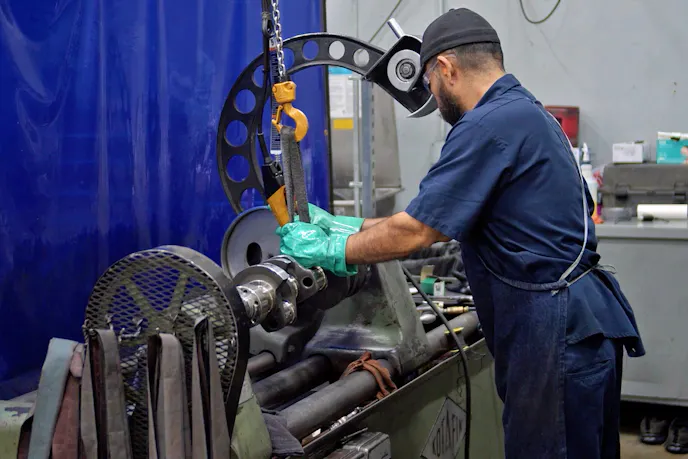
“One machine that always gets visitors’ attention is our GFM crankshaft milling machine,” he says. “It’s one of the most impressive pieces of equipment in the facility and a critical part of our crankshaft manufacturing process.”
Most people are familiar with conventional machining centers that gradually remove material through multiple cutting operations. The GFM takes a different approach.
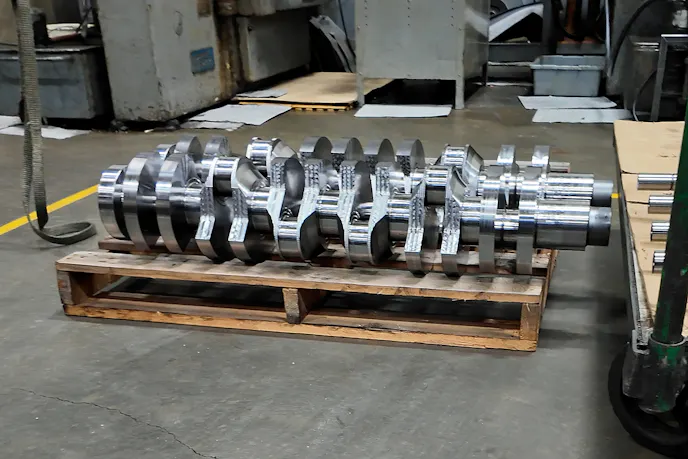
Its job is to rapidly remove large amounts of material from a crankshaft blank, creating the basic crankshaft geometry before the rough billet moves into subsequent machining and finishing centers. According to Martz, the system allows SCAT to produce high-quality crankshafts with exceptional consistency and efficiency.
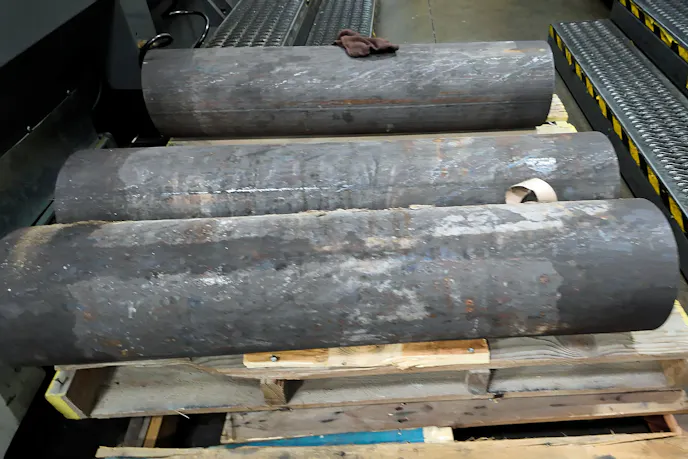
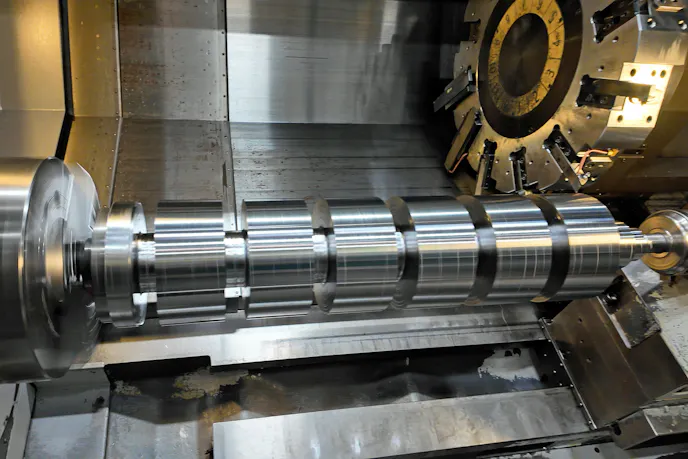
The machine itself is impressive, but the supporting infrastructure may be even more remarkable. The GFM sits on a 36-inch-thick reinforced foundation equipped with vibration-dampening systems designed to absorb the tremendous forces generated during operation.
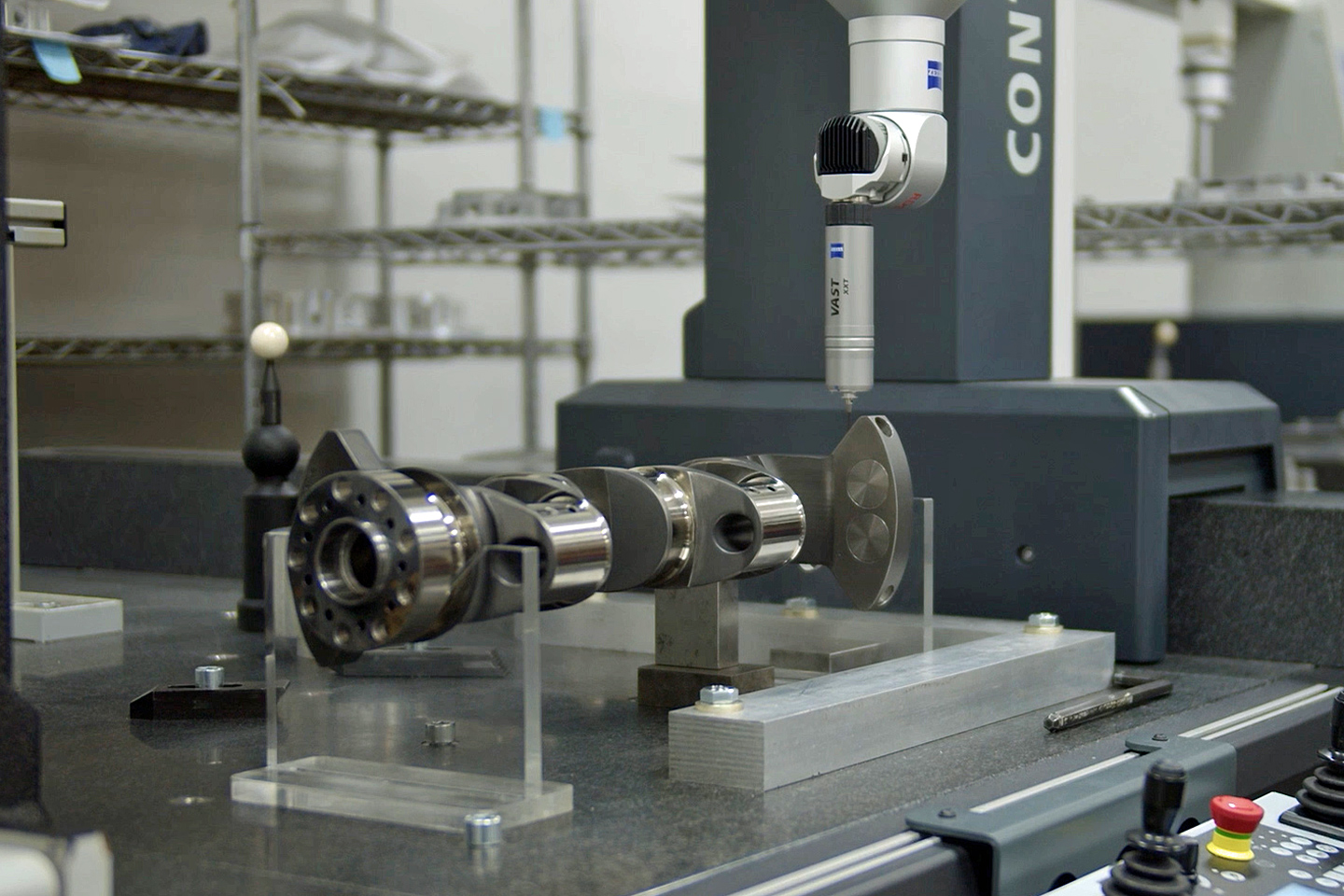
Unlike companies that manufacture rocker arms or other smaller engine components, high-end crankshaft manufacturing involves a heavy-industry skill set all its own. Creating a crank requires industrial-scale systems removing significant amounts of material from heavy chunks of steel. But they have to do it with the precision down to 0.0001 of an inch, because that’s what’s required to win races and championships.
As Martz puts it, seeing the GFM in operation helps visitors understand that crankshaft manufacturing is a combination of heavy industry, advanced manufacturing, and precision engineering working together to create the foundation of a performance engine.
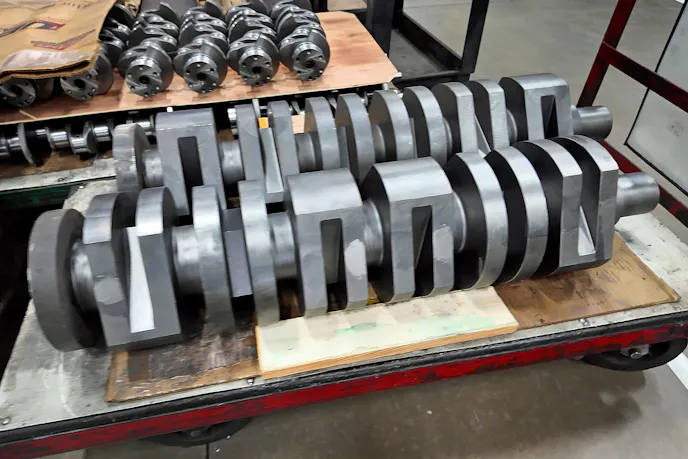
Building for the Next 50 Years
SCAT’s history stretches back more than five decades, evolving from a small operation into one of the most recognizable names in the performance industry. They expect the move to new facilities in Oxnard, CA, to enable that growth to continue for decades.
The biggest takeaway we got from talking with Martz is that the relocation was driven by opportunity. Opportunities like creating more efficient workflows through the building, improved communication between different departments, the opportunity to keep jobs in the United States, and the opportunity to bring in newer, more modern equipment. Backward-looking companies don’t think that way.
The average engine builder or racer will never see the redesigned workflow. They’ll never walk past the engineering department or watch a GFM machine rough a crankshaft blank into shape.
But what they will notice is consistent quality, dependable availability, and products that perform exactly as expected when the engine fires for the first time. And for racers chasing championships, that’s the kind of improvement that matters.
You might also like
Beefing Up Gen-III HEMI Mains With Billet Caps And ARP Hardware
To withstand big cylinder pressure, Livernois makes a set of Billet main caps for the Gen-III HEMI that pair perfectly with ARP main studs.