
Shopping for crankshafts and connecting rods can feel like somebody dumped a bowl of alphabet soup across the workbench. There is 4340, 4330V, EN30B, forged steel, billet steel, aluminum, and enough proprietary heat-treatment language to make a capable engine builder wonder whether he accidentally signed up for a metallurgy class.
Those choices matter, but the alloy number is only the beginning. Both crankshafts and connecting rods are put through a torture test with every revolution of the engine, bending, twisting, compression, tension, and vibration. So, the materials they are made from must be forged or machined correctly, heat-treated for the application, and shaped so the load cannot find an easy place to start a crack.
That is the point Brook Piper, sales manager for Callies Performance Products, keeps coming back to. “The material is a big thing,” he says. “How you cook it is really where the science is.”
4330 Versus 4340 Connecting Rods
The familiar name in performance steel connecting rods is 4340, a nickel-chromium-molybdenum alloy that responds well to heat treatment and provides an excellent blend of strength and toughness.
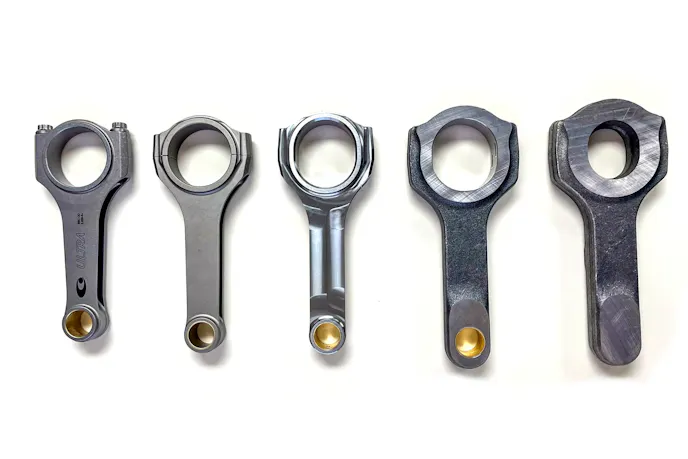
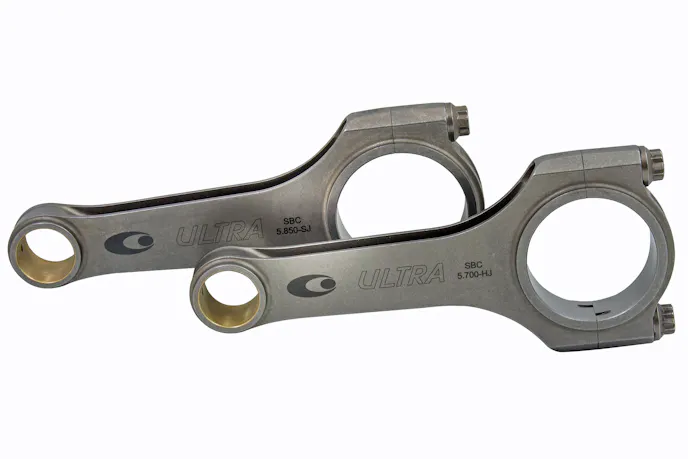
Callies takes a slightly different route with its American-made Ultra connecting rods. These rods are precision forged from a proprietary TimkenSteel 4330V alloy and machined in Callies’ Fostoria, Ohio, facility. The company says the material is formulated to its specifications, while the forging process provides uniform grain flow and consistency. Callies also tracks the manufacturing history of each individual Ultra rod through production.
On paper, 4330 and 4340 alloys, which are the most common choices for steel connecting rods, are close relatives. Both are low-alloy steels using nickel, chromium, and molybdenum. A typical 4330 modified specification carries less carbon than 4340 and adds a small amount of vanadium. That combination can support high strength while retaining toughness and impact resistance, useful traits for a rod being yanked in tension at high RPM and hammered in compression under cylinder pressure.
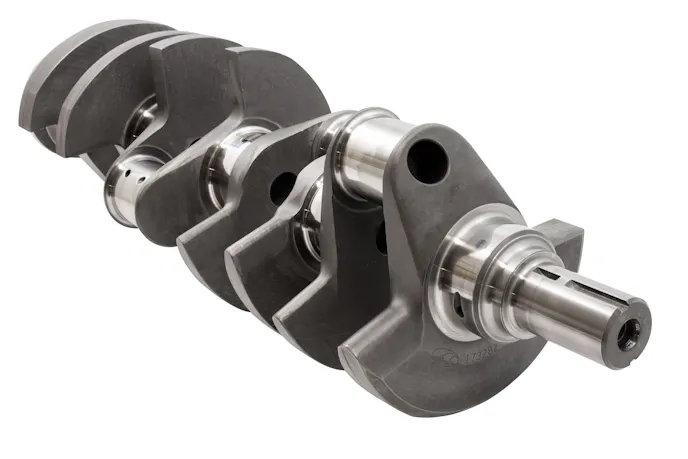
That does not make 4330 automatically superior. Alloy cleanliness, forging quality, grain flow, heat treatment, machining, fastener quality and the rod’s cross-sectional design can matter more than the difference between two closely related steel recipes. Piper says Callies settled on 4330 after bringing in an experienced connecting-rod consultant who had used the material successfully for years.
“I think it all boils down to how you make stuff,” Piper says. “It’s all in how you process them.”
Callies’ lineup demonstrates that point. Its Ultra Enforcer rods use a buckle-resistant I-beam design specially made for boosted applications, while other Ultra designs distribute material differently for high-RPM naturally aspirated engines where minimum weight is critical. The alloy provides the foundation, but the beam shape, transitions, big-end stability, and rod bolts decide how efficiently that material is used.
Steel or Aluminum Rods?
Steel is the practical answer for most performance engines. A quality steel rod can live through street miles, repeated bracket-racing passes, and long service intervals without demanding the inspection schedule associated with aluminum. Piper describes steel as the choice for a bracket engine expected to make hundreds of passes between rebuilds or even inspection.
Aluminum earns its place when power and cylinder pressure climb into another neighborhood. It can absorb some of the shock in an aggressive combustion event, which is why racers often describe an aluminum rod as a cushion between the piston and crankshaft. Piper compares it to a shock absorber. When the tune-up gets rowdy, the aluminum rod can be more forgiving instead of passing every bit of that hit into the rod bearing and crankshaft.
Pete Harrell, owner of Harrell Engine & Dyno, also points to aluminum’s strength-to-weight advantage. In the most extreme drag-racing engines, a steel rod capable of carrying the load may become too heavy to operate at the required RPM. Aluminum allows the builder to create a physically substantial rod without saddling the rotating assembly with unreasonable mass. That is one reason aluminum rods are standard equipment in the upper reaches of drag racing.
The tradeoff is maintenance and owner discipline. Harrell says the customer may be a bigger factor than the engine. A disciplined drag-and-drive racer who warms the engine carefully, makes a limited number of passes and performs regular checks may be a good candidate for an engine equipped with aluminum connecting rods. The driver who doesn’t wait for the oil to properly warm up before ripping off a big burnout, bangs it off the rev limiter and avoids inspections probably is not.
“We like to be able to recheck the rod bolts on aluminum rods pretty regularly,” Harrell says. “You need a two-piece oil pan to be able to do that practically, and it does require somebody that is dedicated to their engine maintenance. The typical weekend racer doesn’t have the time or crew to keep up with all that, so steel rods will buy him more peace of mind.”
Cast, Forged and Billet Crankshafts
Crankshaft discussions often begin with cast iron versus forged steel. Casting efficiently produces a near-net-shape crankshaft, and a good cast crank can work well in a mild street engine. The limitation is the internal structure. Casting can leave a greater possibility of porosity or inclusions, while forging compresses and works the material as the crank blank is formed.
“The biggest advantage is the voids in the metal,” Piper says. “When you forge something, everything’s smashed, and the grain structure in the steel is aligned for greater strength. With a forged crank, your chances for voids in the middle of the material are reduced dramatically.”
That improved material integrity gives a forged crank more room to survive increased cylinder pressure and RPM. There is no universal horsepower line where every cast crank becomes unsafe because journal size, stroke, the number of counterweights, engine speed, balance, and tune-up all affect stress. Still, a crank failure will almost certainly destroy an expensive engine, so once the horsepower levels start creeping up over 500, a quality forging becomes cheap insurance.
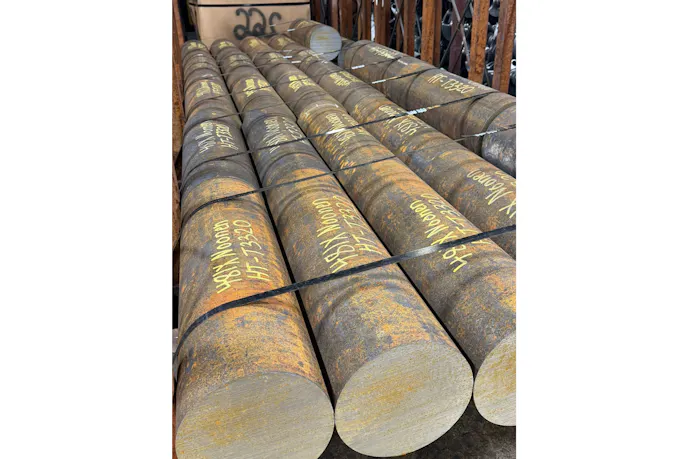
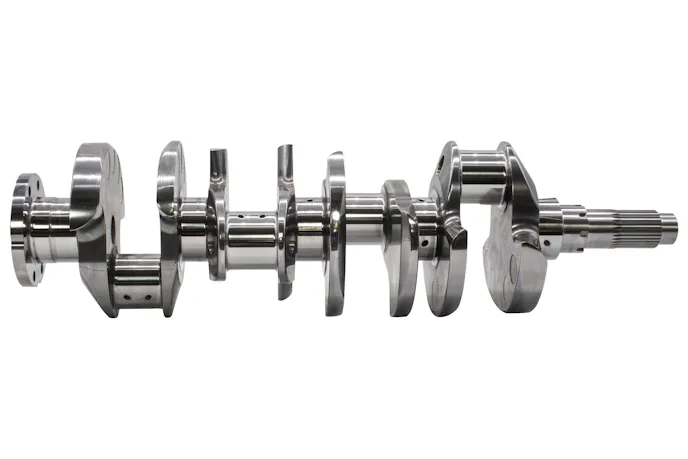
Callies uses proprietary 4340 forgings for many forged performance crankshafts, while its Ultra billet cranks are machined from American-made 4330 bar stock. For specialized applications, including some Top Fuel, Hemi and large-bore tractor combinations, Callies also uses EN30B, which is a high-tensile-strength, high-nickel chromoly steel alloy.
Billet is often treated as a magic word meaning stronger than forged, but Piper offers a more useful explanation. Billet’s primary advantage is flexibility in design. If a billet crank and forged crank use comparable material and receive equivalent heat treatment, the forged crankshaft will be stronger. A billet begins as round bar stock, so Callies can machine unusual strokes, journal sizes, counterweight arrangements, and bore spacing quickly and easily without investing in dedicated forging dies.
A forging die is a huge investment that can cost hundreds of thousands of dollars. They make sense when a company plans to produce thousands of similar crankshafts to help spread the tooling cost across a large run. For a rare engine, a one-off racing combination, or an evolving design, machining the crankshaft from billet is much more cost-effective.
“A billet only wins in flexibility,” Piper says. “It doesn’t win in strength.” A well-designed forging can be exceptionally strong because the grain flow follows the crank’s shape. Billet offers freedom to put material where the engineer wants it and create configurations that would never justify a dedicated die. The choice essentially comes down to production volume and cost.
Heat Treatment Makes The Recipe Work
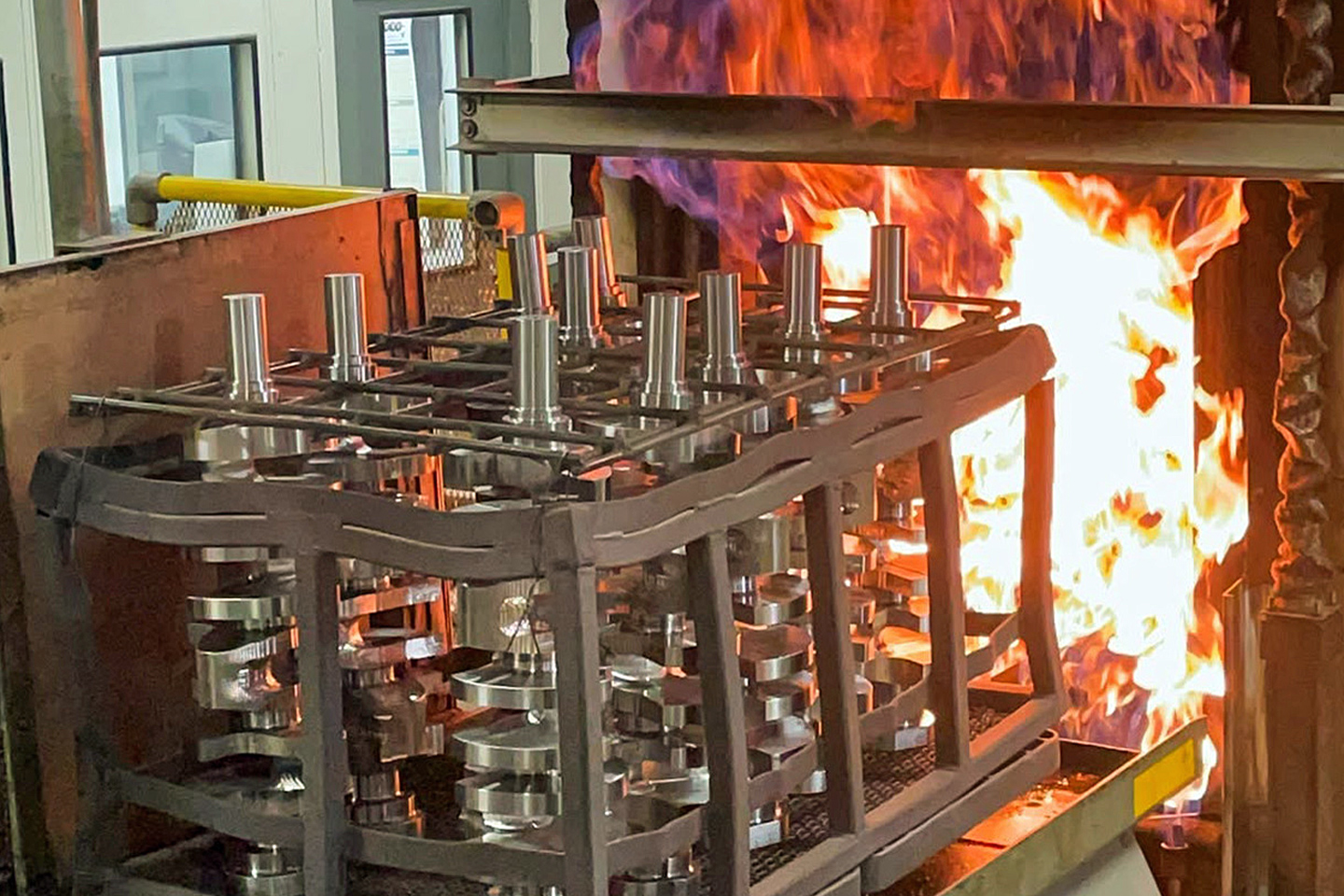
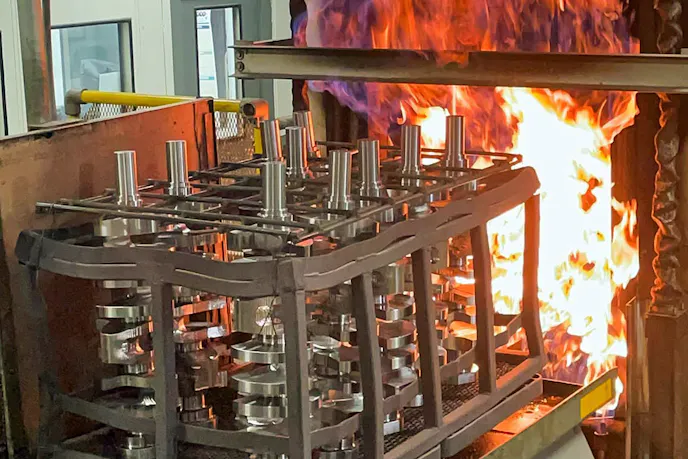
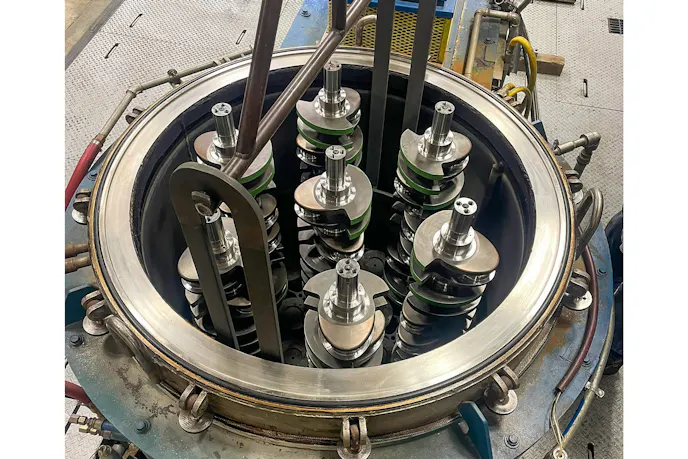
Just as important as the alloy chosen is the quality of the heat treatment. Callies through-hardens its crankshafts specifically for the application it is most likely to see with different core hardness levels and performs nitriding in-house. Piper says that control allows the company to tailor the balance between core strength, rigidity, and toughness, rather than treating every crankshaft exactly alike. Nitriding, meanwhile, creates a hard, wear-resistant surface layer that helps protect the journals and fillets while maintaining a tougher core beneath it.
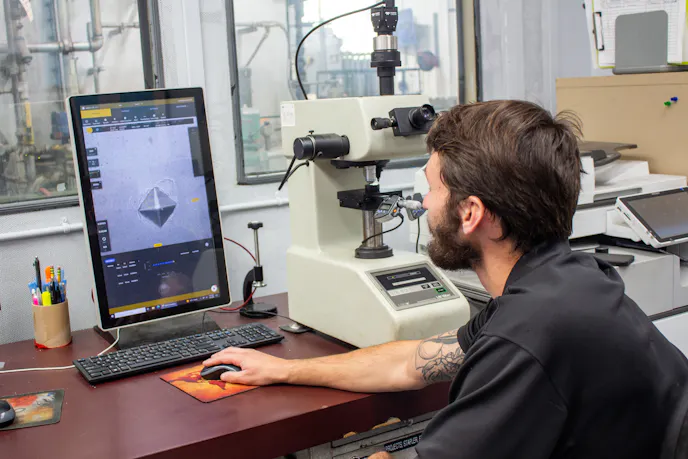
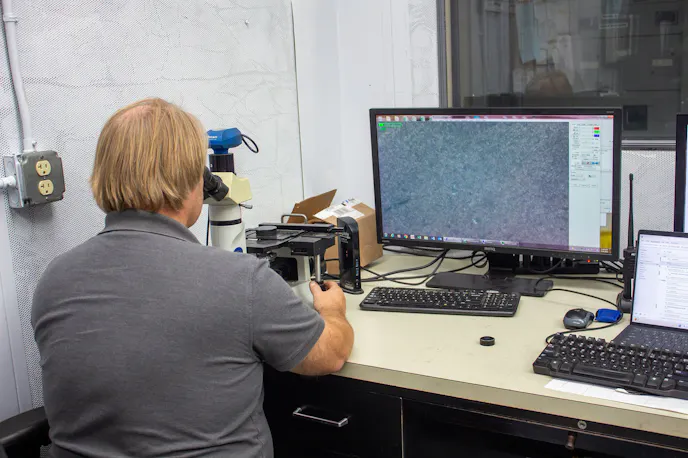
The company also operates an in-house metallurgical laboratory that verifies material and heat treatment. Its Compstar crankshafts, for example, are magnetic-particle inspected, checked by the metallurgical lab, and finish-ground and polished at Callies before final dimensional inspection. Callies says every crankshaft is inspected for critical dimensions, and they even monitor the manufacturing equipment to make sure tool wear doesn’t cause drift in the final product dimensions.
For a durable street or bracket engine, that may mean a forged crank and steel rods with sensible mass (not the lightest, but also not too heavy) that doesn’t break the bank and also laughs off abuse. A high-RPM naturally aspirated engine may prioritize low reciprocating weight and rod geometry. A high-boost drag engine may need a more robust steel rod that won’t flex even under incredible cylinder pressures.
The smart choice usually begins with a conversation with the tech department and an honest description of the power level, RPM, tune-up, and owner’s maintenance habits. From there, the alloy number becomes useful instead of intimidating. Turns out it’s just one ingredient in a larger recipe, but getting it right can be the difference between track championships or the dreaded “rapid unplanned disassembly” of your expensive race engine.
You might also like
Torque and Clamping Force: Why Lubricant Choice Matters
Engine builders depend on torque wrenches, but torque alone doesn't tell the whole story. Friction can dramatically change clamping force.