
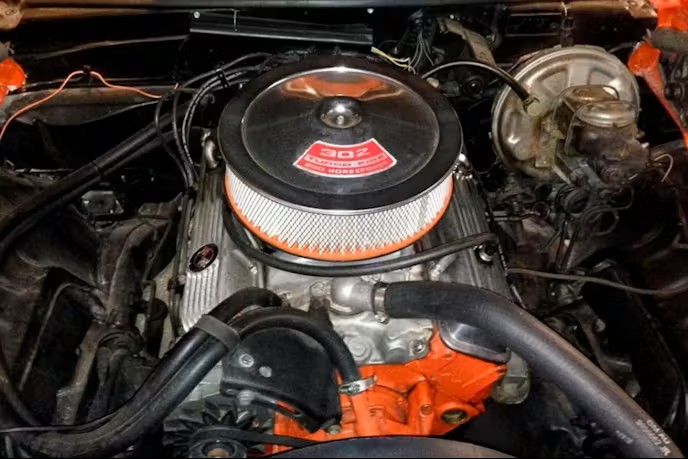
Chevrolet built some incredible small-block powerplants over the decades, but the short-lived production run from 1967 to 1969 created an absolute legend. Racing rules dictated engine sizes back then, forcing engineers to get creative with their casting combinations to dominate the SCCA Trans Am series. By dropping a 3-inch stroke crankshaft from a 283 into a 327 block with a 4-inch bore, they birthed a massive horsepower producer. Sifting through decades of rumors and production codes is the only way to uncover the true history behind the iconic Chevy 302 Engine.
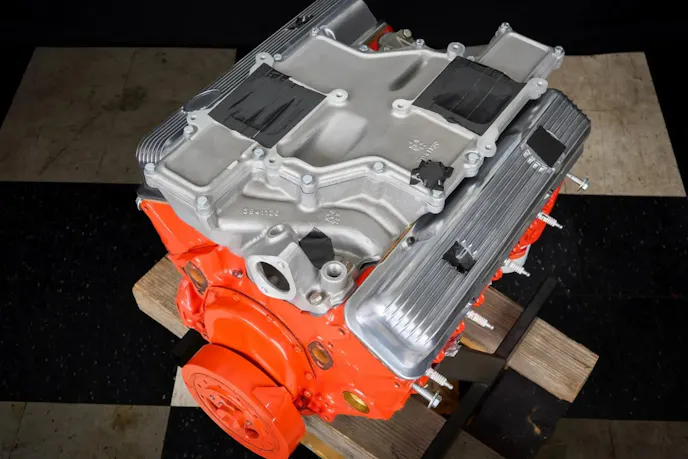
The Original Small-Journal Block
The first iteration hit the streets in 1967 as a direct response to strict racing limits capping displacement at 305 cubic inches. This initial package utilized a small-journal block featuring 2.30-inch mains. Mechanics can identify these rare blocks by looking for the 3892657 casting number. Suffix codes MO designated the standard setup, while MP indicated the presence of an A.I.R. emissions system. These early small-journal versions are incredibly scarce today, driving up their overall value among serious collectors.
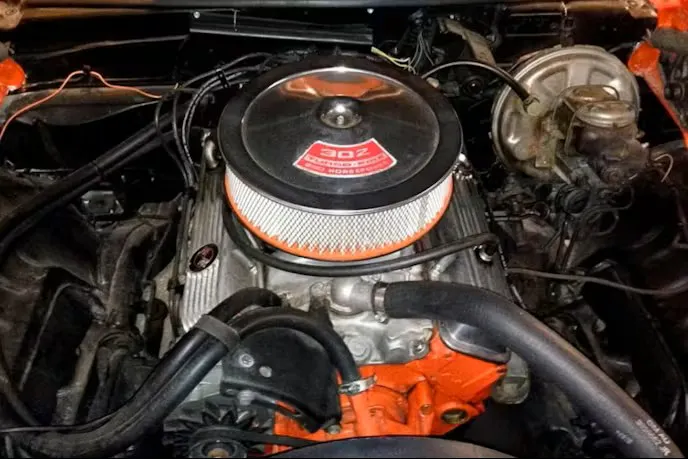
Upgrading the Chevy 302 Engine
Chevrolet recognized the brutal demands of high-RPM road racing and updated the entire small-block lineup in 1968. The internal dimensions remained identical, but engineers fortified the bottom end with 2.45-inch large-journal mains to improve high-speed durability. The new 3914678 block casting number marked this structural upgrade. Interestingly, the factory kept the MO suffix code, causing plenty of confusion for modern restorers trying to authenticate original parts.
The Legendary DZ Suffix Arrives
The 1969 model year cemented this high-revving small-block into automotive history. Chevrolet introduced the legendary DZ suffix code, a stamping that immediately commands respect at any muscle car auction. The factory utilized several different large-journal castings during this final year, including 3932386, 3956618, 3932388, and 3970010. This specific configuration powered the Z/28 Camaro to countless victories on the track and the street.
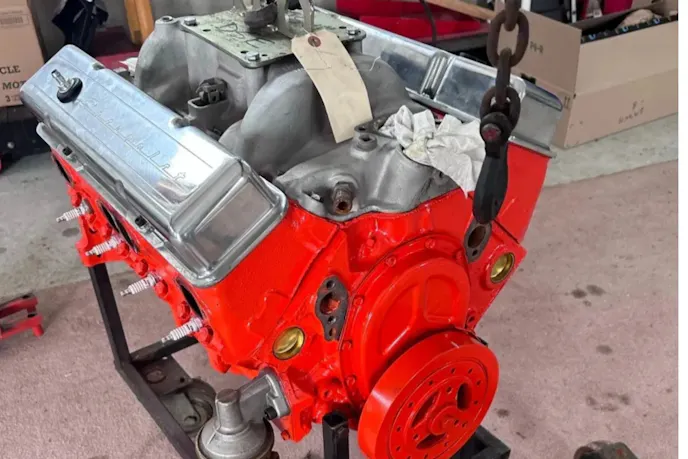
Verifying Authentic Casting Numbers
Sorting factory facts from fiction takes a sharp eye because fake pad stampings are common in the classic car market. Many blocks share identical external appearances across different displacements. Authenticating a true classic requires matching the specific casting numbers, suffix codes, and internal journal measurements. Taking the time to verify those numbers is the only way to know you are looking at a real Chevy 302 Engine instead of a clever replica.
You might also like
Dynoing The EngineLabs Giveaway 632-Cube Big-Block Engine
It's time for the rubber to meet the road for the EngineLabs Giveaway 632 big-block Chevy engine presented by Summit Racing.