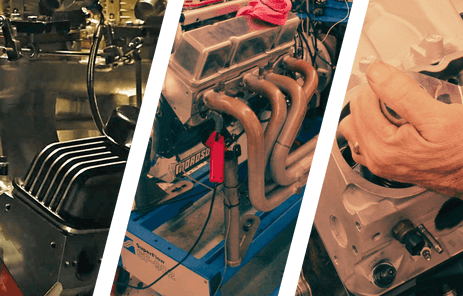



A couple of years back, we brought you news of Toyota researching the viability of Ammonia as a fuel for internal combustion engines. This was totally in-character for the Japanese firm, as they were — and still are — at the forefront of alternative-fuel combustion technology. However, when we published that article, there were a lot of naysayers in the comments section, mainly about the use of Ammonia as a combustible fuel.
Well, it’s a good thing engineering firms don’t base their corporate strategy on comments sections. WinGD, a Swiss marine powerplant manufacturer, has been chasing a zero-carbon heavy shipping marine engine design for a number of years. Recently, the firm’s X52DF-A-1.0 engine completed Type Approval Testing and Factory Acceptance Testing at the HD Hyundai Heavy Industries’ Engine & Machinery facility in South Korea.
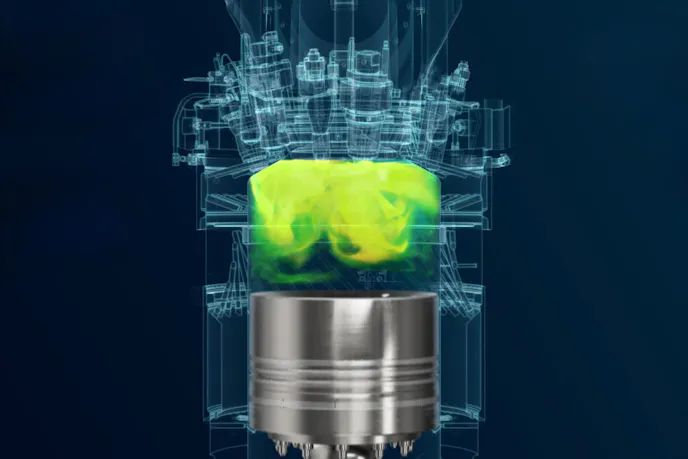
Ammonia as a fuel is becoming a more accepted idea, as the X-DF-A engine has shown reduced NOx emissions, as well as negligible emissions of N2O in testing, while providing excellent performance figures. While achieving type approval, the engine still needs to undergo sea trials, but with 30 engine orders already on the books, we expect to see the use of ammonia-fueled engines become more commonplace.
Ammonia… Isn’t That A Floor Cleaner?
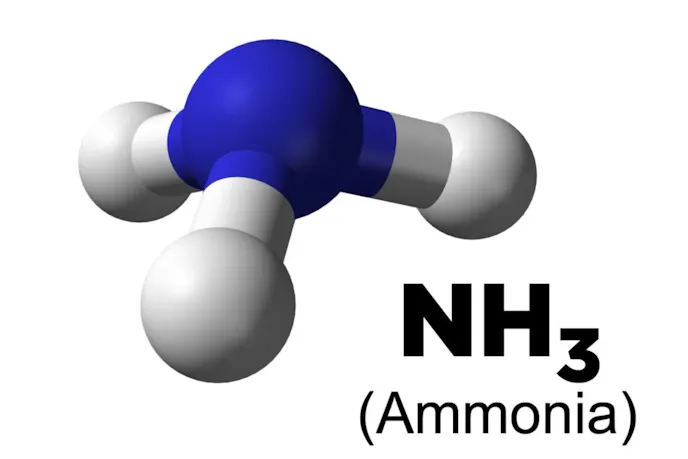
Chemically, a single molecule of Ammonia is made up of one nitrogen atom and three hydrogen atoms sharing covalent bonds, with the chemical formula NH3. Being that there really aren’t any carbon atoms present, CO2 production levels from burning ammonia seem about as low as you can go.
As a fuel, Ammonia is more energy-dense than Hydrogen and is easier to store in liquid form. While it is only about 33-percent as power-dense as diesel fuel, tests in 2022 by IHI resulted in true-zero CO2 power production. The early concerns were that oxides of Nitrogen would be unacceptably high, but the X-DF-A engine has brought those emissions, and the concerns around them, down to much more acceptable levels.
You might also like
Advertised Duration - Why You Shouldn’t Use It.
Choosing a camshaft with advertised duration in mind is a surefire recipe to find things out the hard way.