
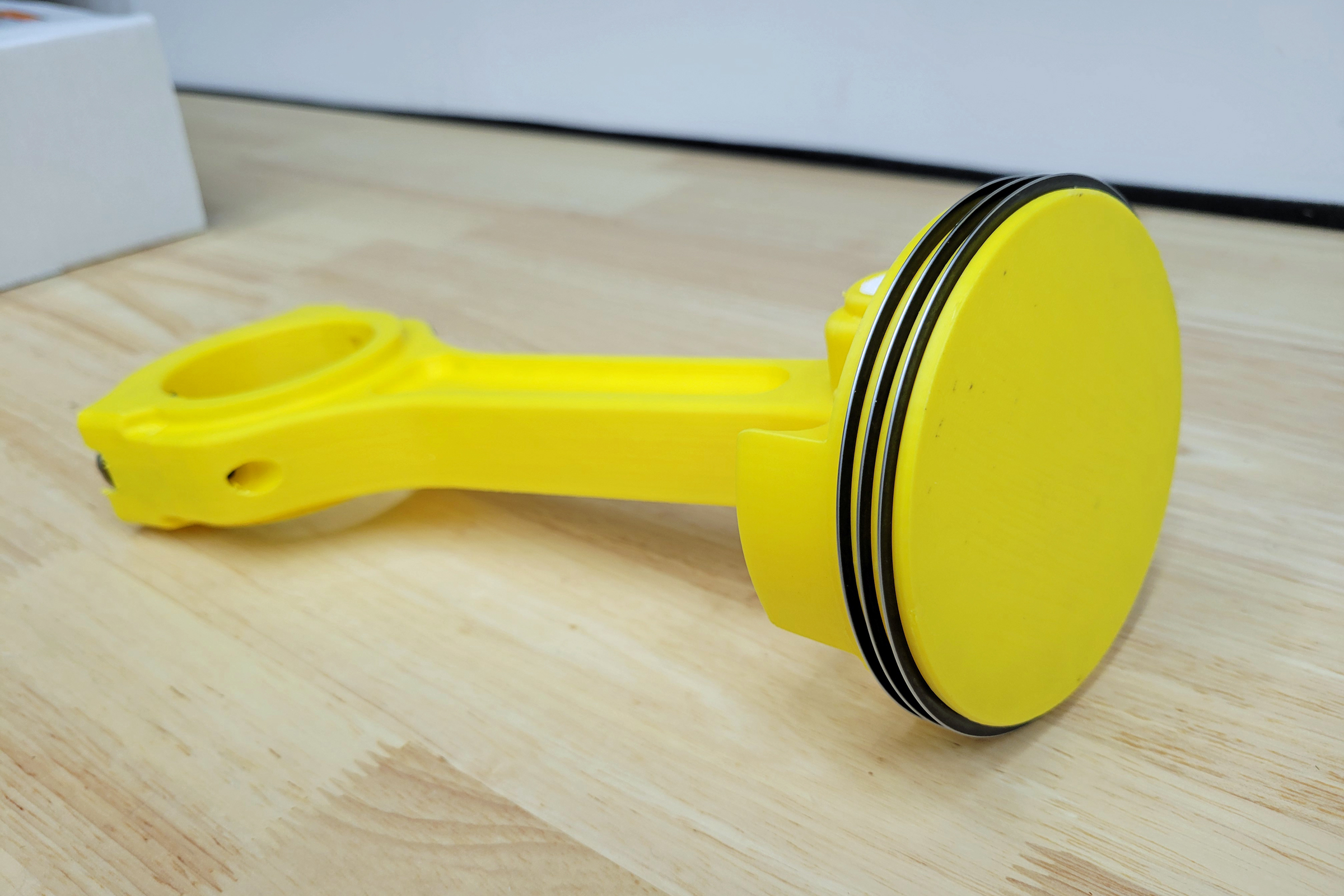
A lot of you have been asking where LS5.0 has been, and we can finally reveal the secret we’ve been hiding: we swapped to a prototype 3D-printed piston and rod combination, in order to save weight and increase RPM potential.
Using 3D-printed parts for mockup is nothing new, as we’ve seen a number of engine builders use FDM-printed pistons and rods for fitment checking, and that got us thinking. If we could use the right materials, and keep it naturally aspirated, would it be possible to print usable pistons and rods on our home printing setup?
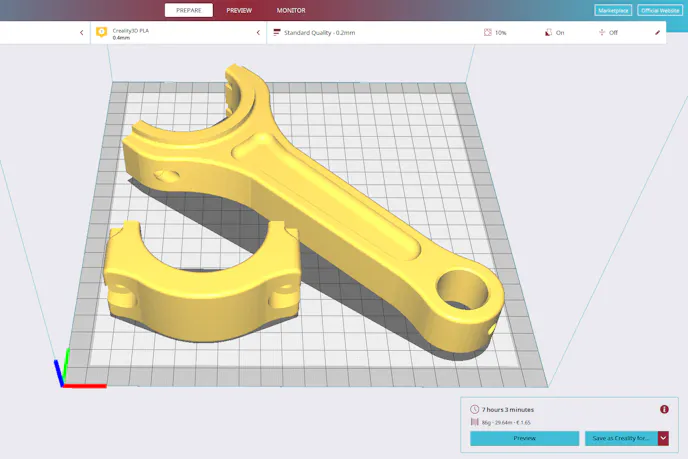
It took a lot of trial and error finding the right printer material, but surprisingly, the printers were able to hold enough tolerance to produce usable parts with every material we tried. Another challenge we ran across was securing the rod cap. Printed threads didn’t take well to multiple assembly/disassembly cycles, and the common brass inserts didn’t like the heat. The answer was simple (but not cheap): Inconel thread inserts for the rods.
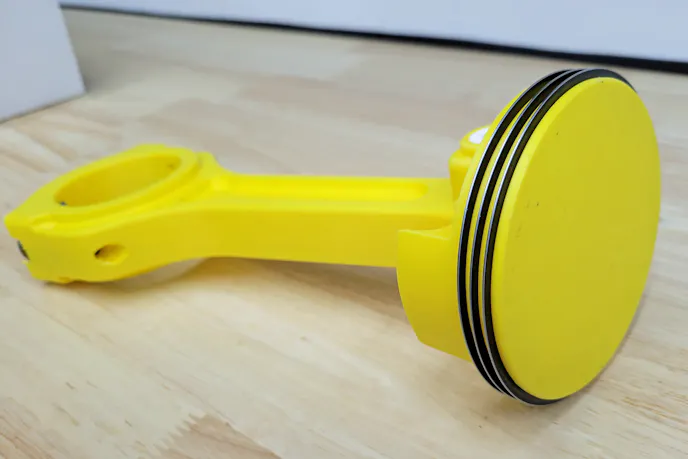
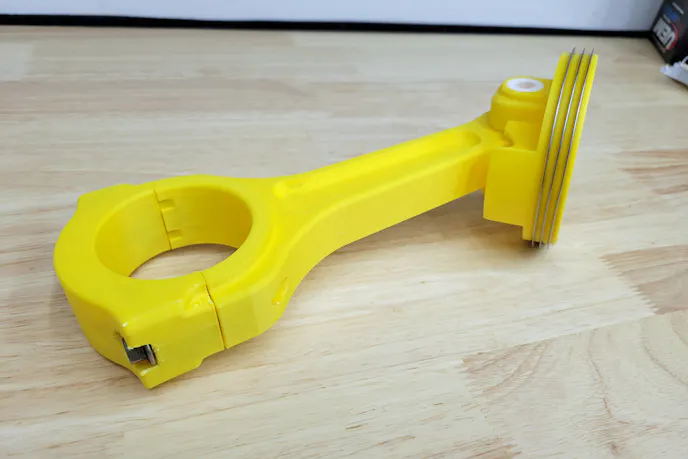
The piston design comes in at a scant 57 grams, and the connecting rod and cap tip the scales at only 86 grams, before the Inconel inserts and rod bolts, that is. All-in, the 3D printed rod and piston combination comes in approximately 83 percent lighter than the forged 4340 rods and 2618 pistons we originally assembled the engine with.
The good news is that the pistons hold up to combustion temperatures and pressures for about 17 dyno pulls, on average, before the ring lands droop and blowby skyrockets. However, according to the internet, blowing up stock LS short-blocks with a way-too-large Chinese turbo every 15 passes is a completely acceptable amount of longevity.
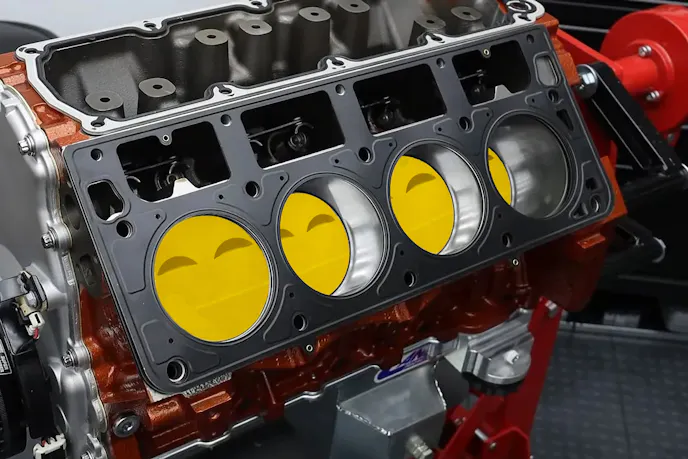
Not only do these last 17 pulls, but they are far cheaper to replace than junkyard short-blocks, taking approximately $32 worth of filament and 80 hours of printing for a set of eight. If you’ve made it this far, hopefully you have already noticed the date of publication of this article. Happy April Fool’s!
You might also like
Late Model Engines Turns Bosszilla Into A 460-Cube Brawler
Going from a base 7.3 liters to an iconic 460 cubic inches of displacement, our Godzilla project reaches an impressive conclusion.