


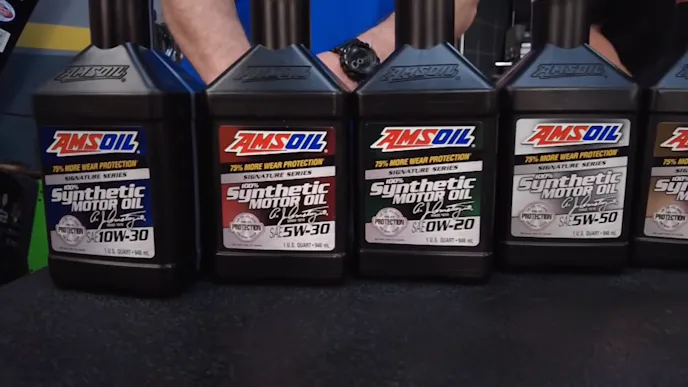
Lubrication in the automotive industry is something we take very seriously. When choosing an engine oil or other lubricants, it’s essential to go with a company you trust. AMSOIL is one name that has been at the top of the list for many years.
In 1963, its founder, Al Amatuzio, began research and development on synthetic engine oils. Al was inspired by the lubricants they used in the aerospace industry at the time. AMSOIL opened its doors with commercial sales in 1969. As of 2026, the company has been in business for 57 years. In 1972, they released the world’s first 10W-40 synthetic motor oil that met API requirements.
Synthetic vs. Conventional Oils
Synthetic oils are unique. AMSOIL states its blends are chemically engineered as a pure form of lubricant. They are free from any molecules that don’t serve a designed purpose. Using a high-quality synthetic oil is important because it resists heat and oxidation far better than conventional oil. It helps protect critical engine components under severe operating conditions.
Conventional lubricants are refined from crude oil. The crude contains contaminating elements such as sulfur, nitrogen, oxygen, and various metals. These are inherent to crude and difficult, if not impossible, to completely remove through the refining process. Running a conventional oil in extreme-duty engines and harsh environments increases the risk of premature oil breakdown. Excessive heat is one of the primary contributors.
While the purity of synthetic oil plays a critical role in the long-term health of the engine, it’s even more important inside an oil-fed turbocharger, which spins orders of magnitude faster, with tighter tolerances, and often times, more heat.
Modern turbochargers can spin at speeds approaching 300,000 RPM in some applications. While many operate below that threshold, the principles remain the same. Use the proper lubricant and ensure the engine and turbo system are correctly matched for the application.
Potential Turbocharger Issues
Turbocharger failure can cause catastrophic damage, whether it occurs on the turbine or compressor side. Once failure occurs, the resulting damage is often extensive. Since the induction system ahead of the turbo is operating below atmospheric pressure, a clean air filter and unrestricted inlet path help the compressor operate efficiently.
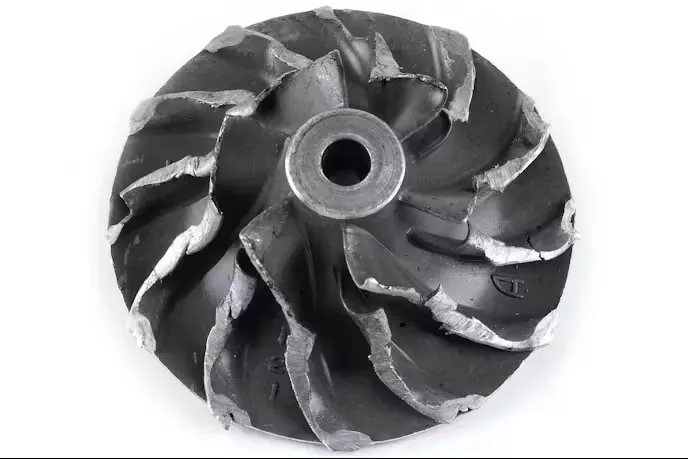
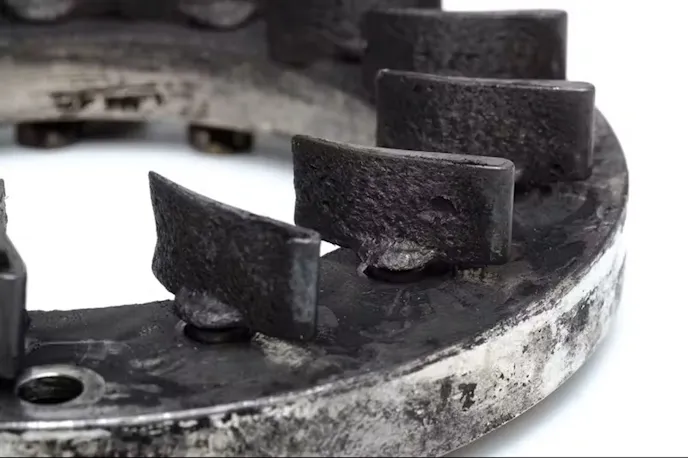
Overpressure is also an issue we face; an intake or exhaust blockage is problematic and can damage the turbos’ fins. This situation can lead to potentially overheating the bearings.
Overspeeding is another issue. Being too aggressive with boost pressure in the tune or using an improperly sized turbo can lead to damaged fins or, even worse, cause the turbocharger to come apart.
In stock applications, having the check engine light come on could be one of several scenarios. Lack of boost, boost control issues, or erratic readings from the MAF or MAP sensors are just a few.
The Role Fuel And Lubrication Play In Preventing Turbocharger Issues
Maintaining the fuel system is one of the easiest, most effective ways to promote smooth engine operation. In a turbo application, the fuel — both the correct quality and quantity — is much more important than a standard naturally aspirated vehicle, since the boost is raising cylinder pressure. According to the video, fresh, quality fuel is only the beginning. Having a filtered supply of fuel at the correct pressure is also important. The injectors creating a proper atomizing spray pattern is another.
Injectors without a consistent spray pattern can lead to lean or rich spots on the map. The octane rating must meet the minimum standards for the application as well. AMSOIL offers a line of specific octane boosters to help in this situation.
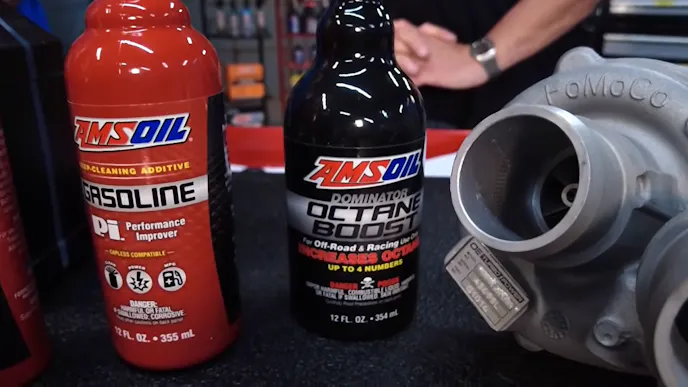
Lubrication, specifically turbocharger lubrication, has its own set of challenges. Since turbocharged engines operate in multi-stage thermal environments, oil formulation is crucial. The turbine side of the turbo can reach temperatures over 1,000 degrees, while the unit as a whole manages the incredible RPM previously discussed.
The key here for oil is oxidation resistance. As the oil is subject to extreme pressure and heat, it starts to break down. When this breakdown happens, the oil loses its lubricating ability. This degradation leads to a condition called coking.
What is Coking?
Coking is the formation of hard, carbon-rich deposits that occur when motor oil is exposed to temperatures beyond its thermal stability. Rather than continuing to function as a lubricant, the oil begins to oxidize and chemically degrade. This leaves behind carbon deposits that can reduce the oil’s lubricating ability, restrict oil flow, and increase engine wear.
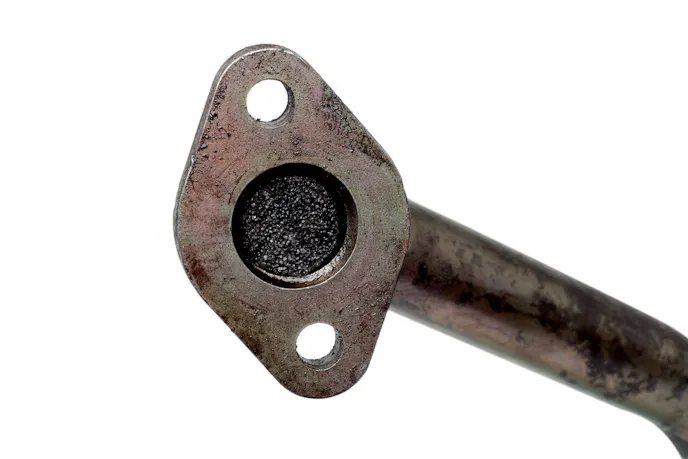
There are several simple things we can do to prevent this condition. Managing excessive oil temperatures with an adequate cooler is one. Using a high-quality synthetic oil such as AMSOIL is another, since you’re removing some of the naturally occurring compounds in crude that can accelerate coking. Allowing turbocharged engines to cool after hard use (a brief idle) period helps, which is why turbo timers used to be a popular aftermarket product.
This can significantly reduce both oil and turbocharger temperatures before shutdown, which doesn’t allow a buildup of coke to form. Finally, follow your recommended oil change schedule. Changing the oil sooner under hard use and maintaining proper oil flow with clean filters removes the precursors to coking before anything has a chance to form.
You might also like
GM Unleashes the 8.3-liter Mongoose Duramax
General Motors has confirmed an all-new 8.3-liter Duramax Turbo Diesel V8 called the “Mongoose” for the refreshed 2027 HD lineup.