


Proper gasket sealing has been part of engine building for a long time. Plenty of tried-and-true techniques have passed from one generation to the next. The problem is that today’s engines aren’t the same as the ones we built 30 years ago. Higher cylinder pressures, lightweight materials, artificial boost, and modern gasket designs have changed what it takes to keep an engine sealed.
This was the theme of an AERA Engine Professional Podcast featuring Rob Monroe and Chuck Lynch. They were joined by Florian Kiziak, technical trainer for Elring Klinger Gaskets. The discussion covers gasket technology, surface preparation, modern engine construction, and long-used practices that may deserve another look.
Elring brings an OE background to the subject. Kiziak explained that the company’s gasket work reaches back decades, initially supplying original-equipment manufacturers. That experience helps frame its approach to sealing, installation practices, and modern gasket design.
Higher Cylinder Pressure Changes the Rules
It wasn’t that long ago that making more power usually meant adding cubic inches. Today, manufacturers get impressive power from relatively small engines. Higher compression, direct injection, and boost from modern power adders help make that possible. All of that increases the demands placed on the head gasket and the surfaces it must seal.
Lynch compares an older carbureted engine at roughly 8.5:1 compression with a modern direct-injected engine running about 13:1. On engines that use boost, cylinder pressures climb even higher, making the sealing job more demanding. That means details that might once have been fairly forgiving may not be anymore.
A scratch or surface imperfection that an older, lower-output engine tolerated can become more important as cylinder pressures increase. It’s easy to defend a familiar procedure by saying it has worked for 30 years. But as Lynch pointed out, the engine itself has changed considerably during those 30 years.
Aluminum Changed the Equation
The pressure inside the engine isn’t the only thing that has changed. The materials have too. Kiziak noted that aluminum is common in modern engines. Older designs relied more heavily on cast-iron components. For an engine builder, that matters when it comes to modern gasket sealing.
Aluminum is softer and easier to scratch, groove, or deform. A careless move while cleaning a deck or cylinder-head surface can leave damage exactly where you don’t want it. There is also the issue of combining different materials. An aluminum cylinder head and cast iron block don’t expand at the same rate. Their behavior changes as temperatures rise and fall. The gasket between them still has to maintain a seal through those heat fluctuations.
Kiziak also pointed to vibration and clamping force as part of the equation. The gasket isn’t just sitting between two pieces of metal. It must maintain a seal through temperature changes and the different expansion rates of the mating surfaces. That movement has to be managed while the seal remains intact.
Surface Finish Matters for Modern Gasket Sealing
That makes surface preparation especially important to modern gasket sealing. During Elring’s hands-on training programs, Kiziak uses a surface roughness tester. It shows how something as simple as a scratch can compromise the seal. The goal isn’t just to make the surface look smooth. It needs the right finish for the specific gasket application.
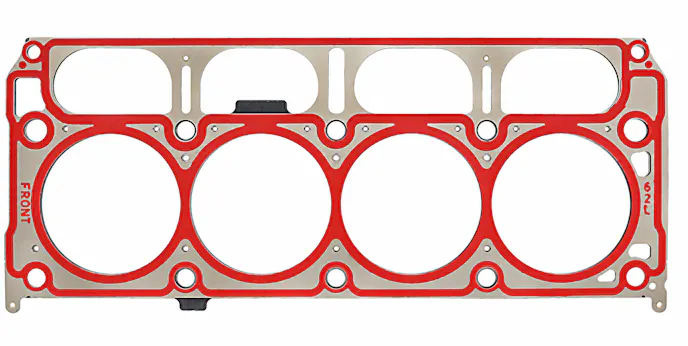
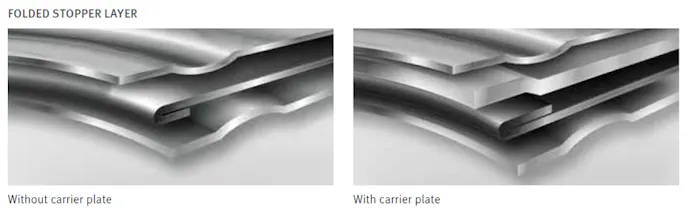
That’s particularly important with multi-layer steel, commonly known as MLS, head gaskets. The gasket’s sealing features must work with the mating surfaces. That makes the machined finish part of the sealing system. The same care applies when removing an old gasket; getting the surface clean doesn’t help if the process leaves scratches behind. Damage created during cleanup can become part of the next sealing problem.
For a deeper look at proper cylinder-head and deck surface finish, check out Chuck Lynch’s discussion at 02:29:50 in our 2024 Engine Performance Expo Day 2 video. The Expo videos also offer plenty of additional engine-building tips and technical information worth exploring.
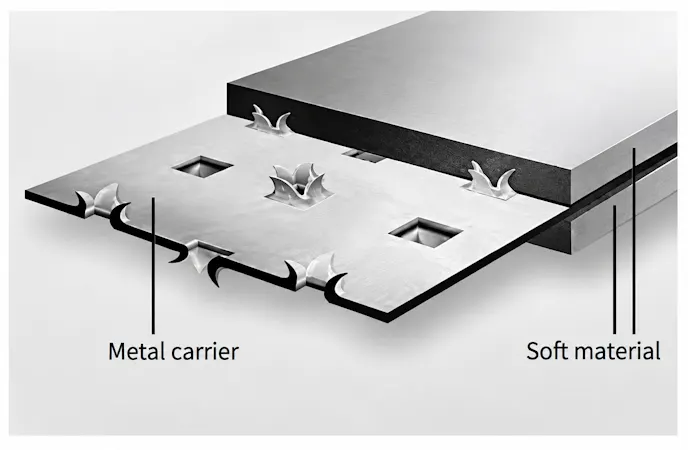
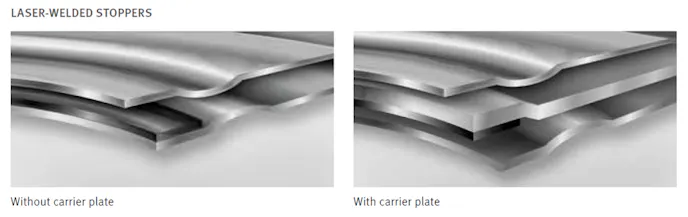
Due to the expanded functionality of the Metaloflex ™ and metal-elastomer designs, this type of gasket is hardly ever used anymore in next-generation engines. Having said that, the metal/soft-material cylinder head gasket will continue to play a key role in the repair and servicing of used engines for many years to come.
What About Copper Spray?
Kiziak said Elring regularly hears one question: Should a new cylinder head gasket be sprayed with copper gasket sealer before installation? For a normal production engine, Elring’s answer is no. Based on its OE experience, Kiziak said additional copper spray isn’t necessary. He separated racing engines from that recommendation because those applications may have different requirements outside of OE rebuilds.
The interesting part of the discussion wasn’t just the answer. It was why the question keeps coming up. Engine-building knowledge has always passed from experienced builders to younger ones. When a technique works, it often gets taught to the next person. Eventually, it can become standard shop practice. But when engines and gasket technology change, some of those practices may no longer apply. Just because something worked before doesn’t mean it isn’t right for every modern application.
Fasteners and Clamping Force
Even the best gasket can’t do its job without the proper clamping load. Kiziak emphasized following the specified torque procedures. He also stressed checking whether the manufacturer allows reuse of the fasteners. Besides torque-to-yield designs, some modern engines even use aluminum bolts that must be replaced each use.
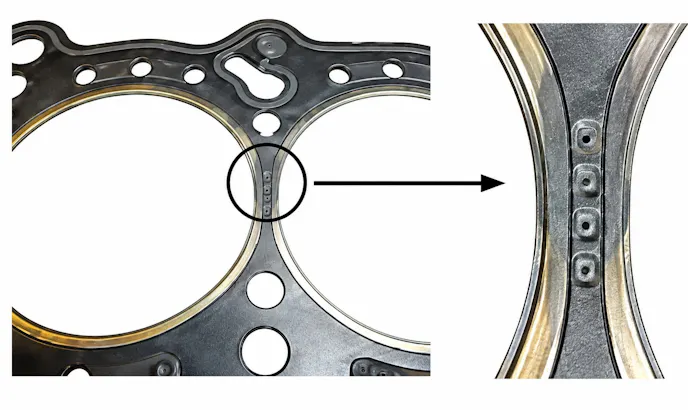
The important part isn’t simply tightening the bolts. Torque specifications and tightening sequences provide the proper clamping force across the joint. That makes the fasteners, gasket, surface finish, and engine components part of the same system. A problem with one can affect how well the others do their jobs.
MLS and Composite Gaskets
Elring’s work with custom gaskets also shows why MLS and composite gaskets can’t always be treated the same way. Kiziak said Elring can reproduce virtually any gasket a customer needs, including composite gaskets for older engines, racing applications, historic vehicles, boats, and other specialty applications.
MLS gaskets, however, can be more complicated. Changing gasket thickness may be relatively straightforward, but increasing the cylinder bore has its limits. On an MLS gasket, the sealing-bead is an engineered part of the gasket system. Kiziak explained that increasing the bore diameter too close to the sealing bead can interfere with its sealing function. Gasket thickness and sealing-bead location must therefore be carefully considered.
Experience Still Matters
None of this makes decades of engine building experience obsolete. If anything, it makes understanding why a procedure works even more valuable. Modern engines ask more of smaller packages. Higher cylinder pressures, different materials, and more advanced technology have all increased the demands of modern gasket sealing.
The fundamentals still matter: proper machining, clean and undamaged surfaces, correct fasteners, proper tightening procedures, and the right gasket. What has changed is how little room some modern engines leave for getting any of those things wrong. Experience still matters, but so does adapting that experience to the engines we’re building today.
You might also like
BTR Simplifies Making Big N/A Power With Its 5.3-Liter SBE Power Packages
BTR's new SBE Power Packages make a budget friendly 5.3L short-block breathe like a monster with a single part number.