
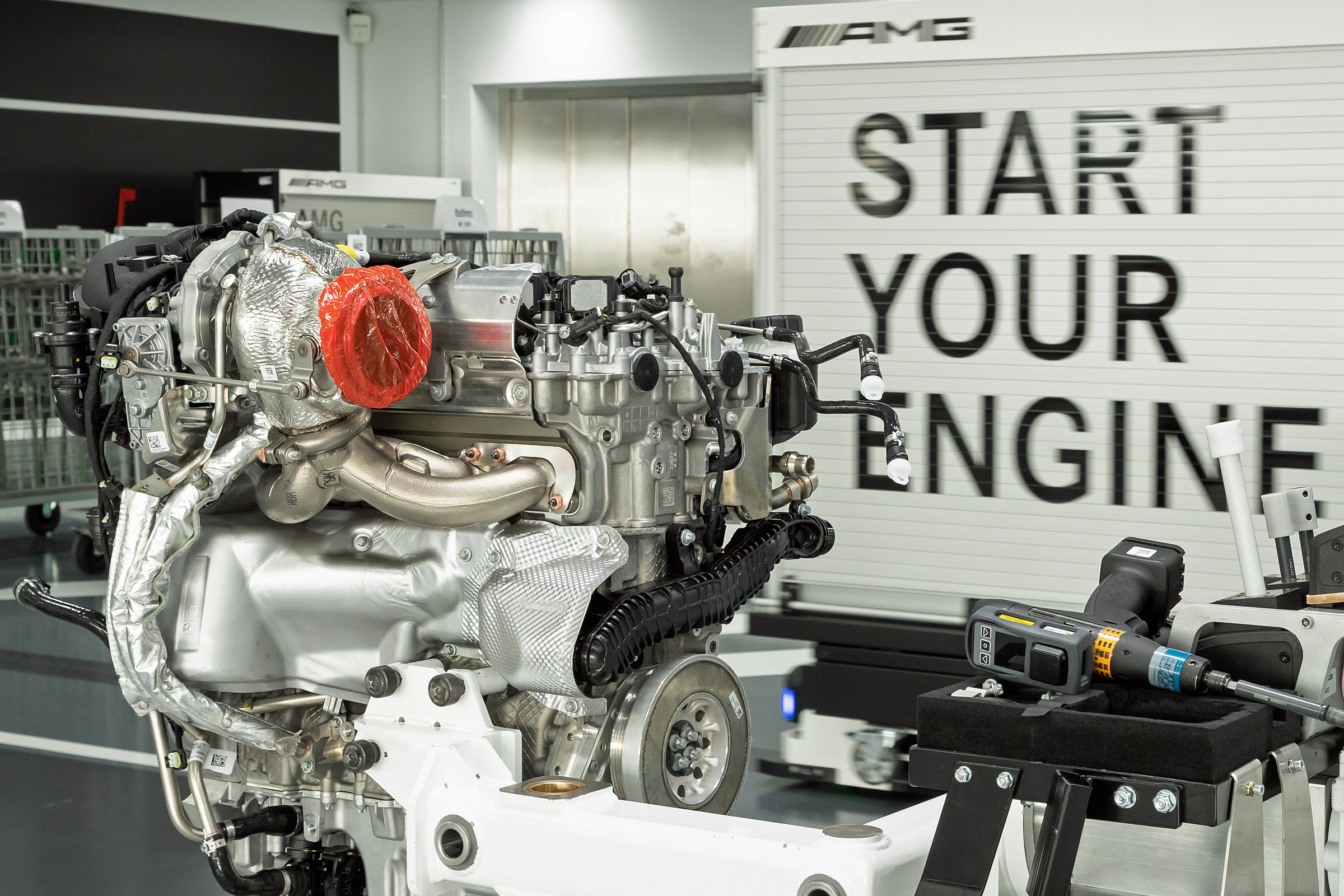
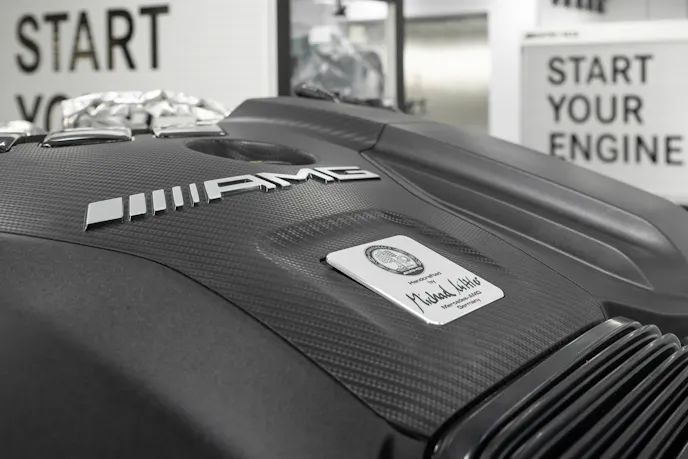
Seven years ago, Mercedes-AMG released the M139 engine as “the world’s most powerful turbocharged four-cylinder in series production.” On debut, it produced 416 horsepower and 369 lb-ft of torque, displacing its own M133 engine from the throne by 40 horsepower and 19 lb-ft of torque. As we sit here in June of 2026, the M139 retains the title but with 50 more horsepower and 33 additional pound-feet of twist. Producing 469 horsepower and 402 lb-ft of torque out of a scant 1,991cc (121.5 cubic inches) is no small feat of engineering.
Hand Assembled By A Single Person
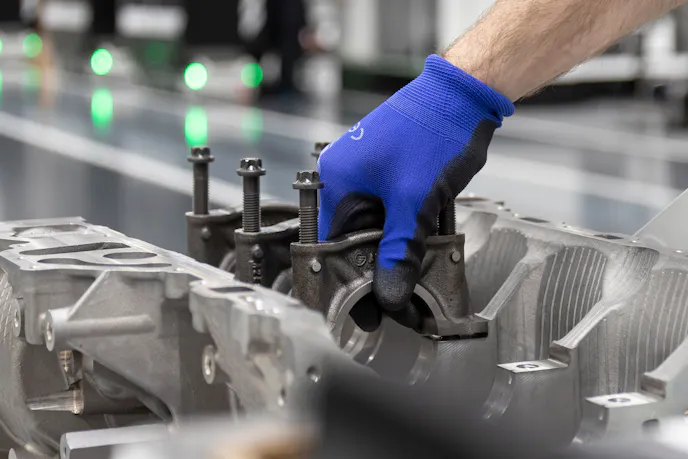
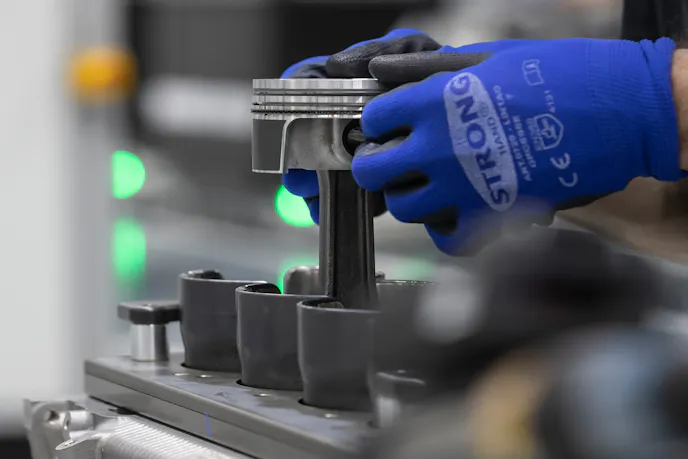
When we say this engine is no small feat of engineering, that’s not hyperbole. First, Mercedes-AMG revamped the AMG engine manufactory in Affalterbach, Baden-Württemberg, Germany, installing a new production line. That new line incorporated Mercedes-AMG’s “One Man, One Engine” on an entirely new level, combined with modern ergonomics, material handling, and efficiency improvements, making for an ultra-modern production process.
With such refined processes and production methods, along with highly trained people in place, the quality assurance factor went through the roof, allowing for much more aggressive and precise assembly steps that could be seen on a standard production line. This allowed engineers to really have fun when designing the engine.
Modern Design Principles
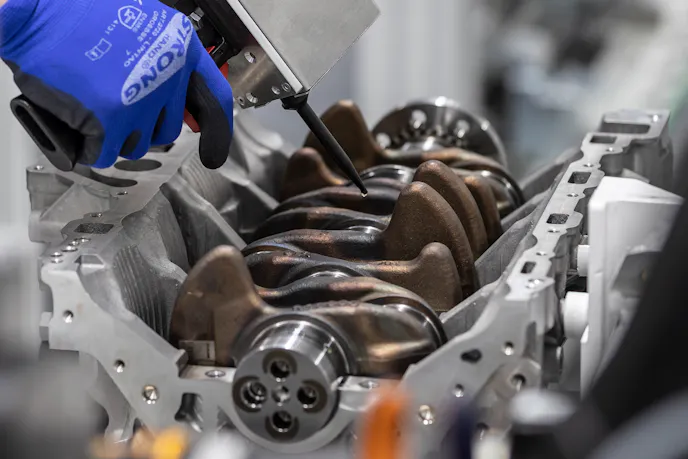
Starting with an aluminum block, it is cast through the “chill-casting” process. Rapid cooling of the aluminum casting in the metallic mold, thanks to built-in cooling channels, provides a much denser, fine-grained casting. This makes for a very strong block that is able to have very complex internal geometries.
The block design itself features a closed deck to maintain rigidity under high RPM and boost. To reduce friction, the cylinder liners are coated with what Mercedes-AMG calls “NANOSLIDE” technology, giving the bores an ultra-slick, ultra-hard surface, advertised to be twice as strong as standard cast-iron sleeves.
With peak combustion pressures north of 2,300 psi and 7,200 rpm, the rest of the rotating assembly needs to be up to the task as well. So, a forged rotating assembly is used, along with aggressive oil control in the oil pan’s sump. The engine is an undersquare design, with an 83mm (3.267 inches) bore and 92mm (3.622 inches – where have we seen that stroke length before?) stroke.
Up top, the dual overhead camshaft cylinder head was revised from the previous M133 engine by angling the fuel injectors and spark plugs in order to make room for larger exhaust valves. Additionally, the revisions allow for improved cylinder head cooling both by altering coolant passages, as well as altering the location of the valve seats.
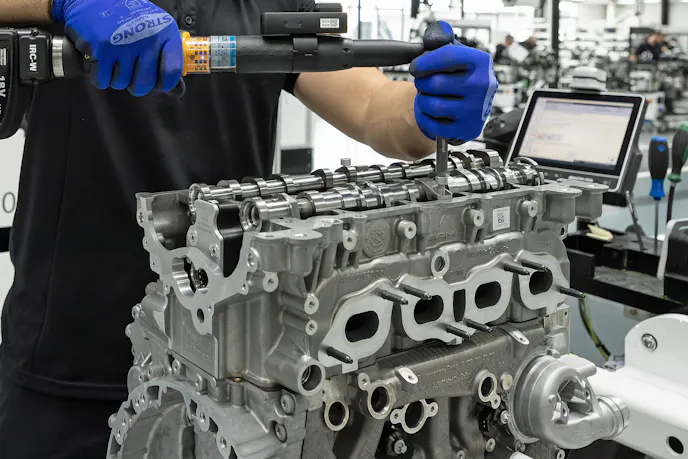
The camshafts operate roller cam followers and have adjustable timing on both the intake and exhaust. The exhaust bank also features CAMTRONIC valve control, which has a second exhaust lobe with additional lift and duration available. Combining direct and port injection allows for increased cooling and efficiency, but the engine only has a modest 9.0:1 compression ratio (up from its predecessor’s 8.6:1, making the high output numbers even more impressive.
However, the modest static compression ratio is made up for through copious amounts of boost from the twin-scroll BorgWarner turbocharger. While the exact compressor size isn’t publicly disclosed, the best guess is an inducer diameter in the low 50mm range. The unit goes a step beyond the usual “ball bearing turbo” design, utilizing roller bearings to reduce mechanical friction inside of the turbocharger.
The turbo can produce up to 30.5 psi of boost pressure and spin to an impressive 169,000 rpm, thanks in part to the roller bearing setup. An electronically controlled wastegate makes for impressive controllability of boost levels, while the turbo itself is triple-cooled — that is air, oil, and water are all utilized to pull heat out of the unit. It’s genuinely impressive to see such a small displacement engine making such incredible power in a production setting. And if it wasn’t impressive enough off the factory floor, the aftermarket has a number of options for larger turbos to really put the screws to the M139 engine. The reality is, it’s going to take a serious effort by an OEM to dethrone the M139 as the king of the production four-cylinders.
You might also like
10K Technology's Wild Aftermarket Godzilla Heads Flow Like Crazy
Ben Strader previews 10K Technology’s new Godzilla cylinder head at Holly Ford Fest, highlighting airflow and strength.