
Last month, we opened up the Ask The Experts mailbox to your questions for Dayco. We told you not only were they open to discussing the belts and drive systems they are probably best known for, but also the discussion of the line of Powerbond harmonic dampers. And boy, did you guys deliver. The questions we received used both guardrails of staying on topic.
Dayco opened up its Tech Team to EngineLabs readers for this installment of Ask The Experts. With over a century of combined experience on the five-man team, who are all heavy automotive performance enthusiasts, there wasn’t anything they balked at. So, without further ado, here are your questions and Dayco’s answers.
What is the purpose of using serpentine supercharger belts instead of cogged? I always hear of street cars with belt slip issues with supercharged serpentine motors, but if they had cogged belts, like a timing belt, there would be no slip. – Paul R.
The main advantage is space savings. Serpentine-driven superchargers often use the belt drive that’s already in place and doesn’t require additional depth.
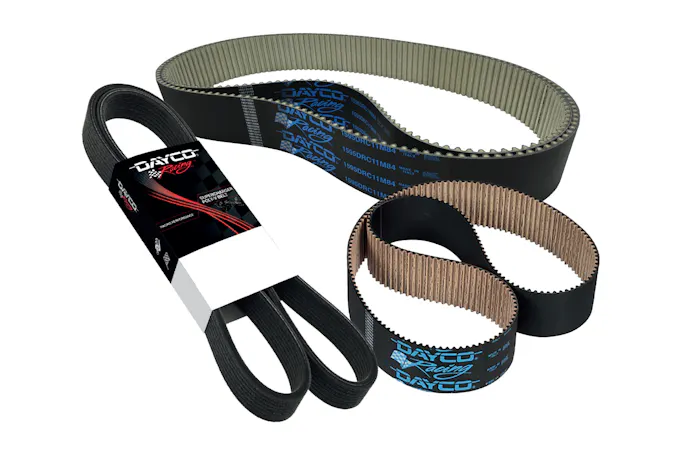
I have a couple of balance belts that I bought 10 years ago for a Porsche 944. Both the belts have been stored in boxes in the dark, inside a domestic environment (average 10 to 20 degrees C). I don’t see any “use by date.” Is possible to use these belts safely still? – Ray G.
Dayco doesn’t recommend using a belt that is more than 7 years old, even if it’s been properly stored.
With belt-driven camshafts, should belt stretch be factored in when degreeing my camshaft? – Carl R.
No, belt stretch is negligible. Timing (synchronous) belts are constructed with a very high modulus cord that is designed not to stretch over time. This allows for the synchronization between the sprockets to maintain engine timing for the life of the belt.
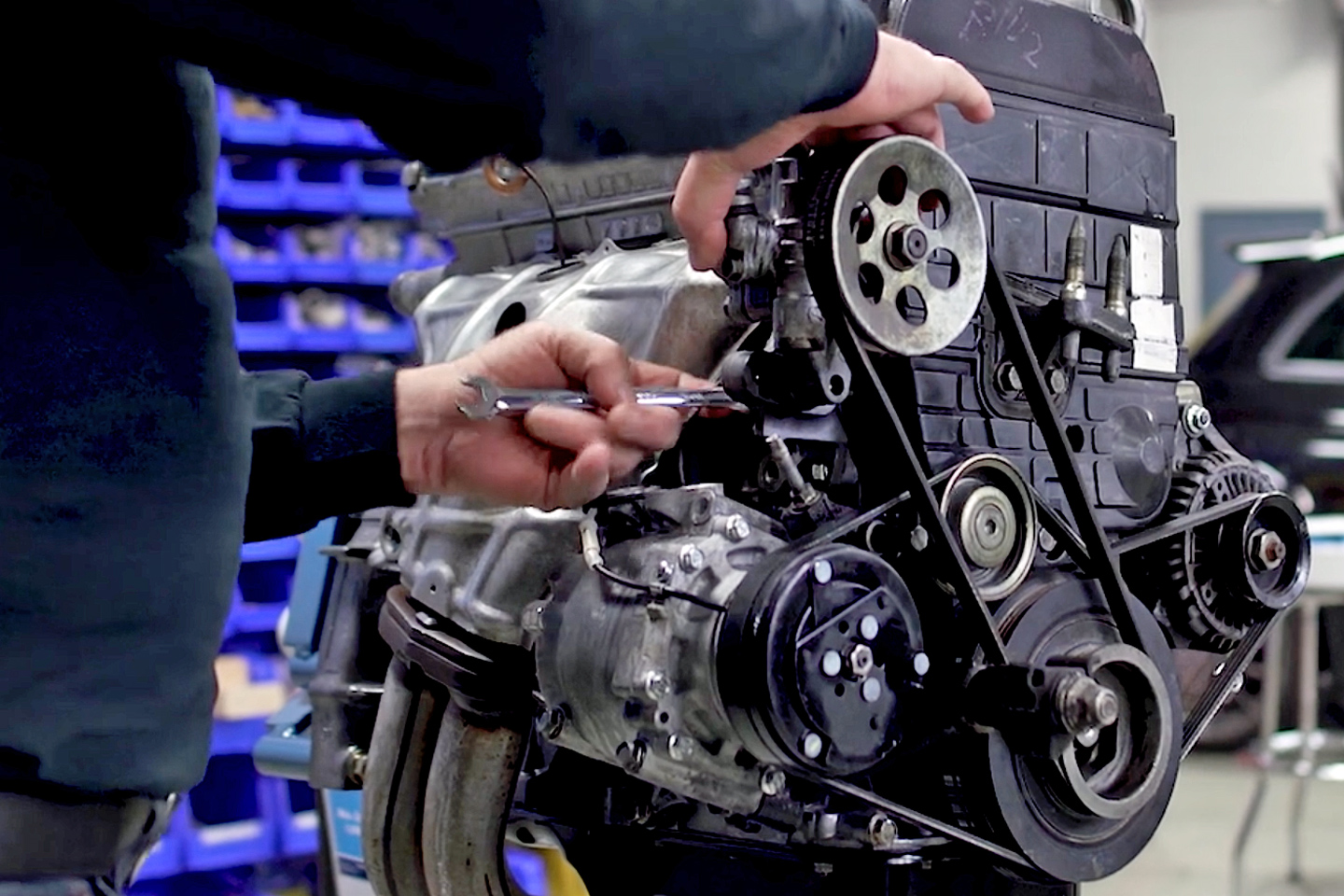
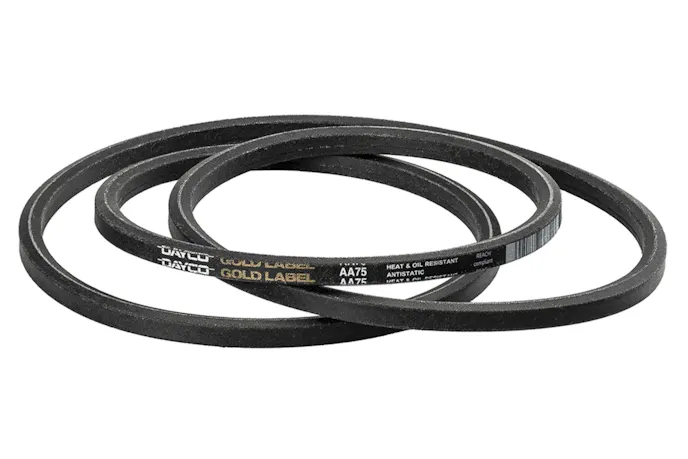
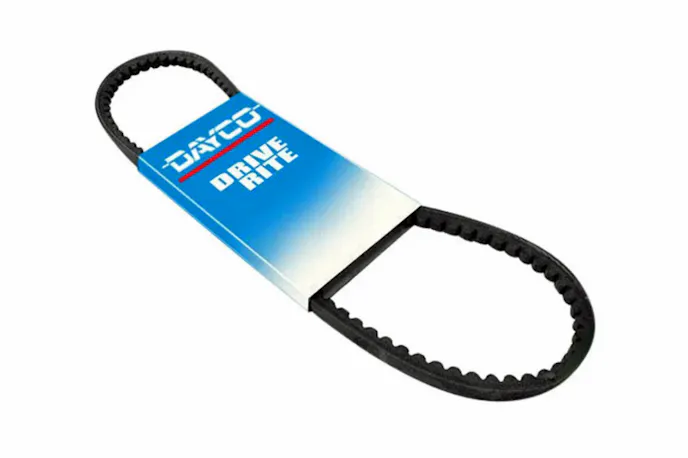
On a normal V-belt (e.g., alternator, vacuum pump, etc.), some belts are smooth along the outer surface, and some are “notched” or “ribbed.” Is either design better than the other for a high RPM race engine? – John M.
The notches/ribs act as cooling fins and do a better job of circulating air and keeping the belt cooler during demanding conditions. By incorporating extra surface area, cogs help improve belt flexibility, which reduces the heat generated by the back-and-forth flexing of the belt.
I’ve noticed that “wet” timing belts have become more common from the OEMs. What’s the reasoning for this? Are they as durable as regular dry timing belts? – Logan B.
Wet timing belts are a unique construction designed to operate in oil. They are just as durable as their dry counterparts, as long as the correct belt is used. OEMs used them to downsize the engine, decrease vehicle weight, and create a quieter, smoother, and more responsive ride.
Should the belt in a V-belt drive sit “down” into the pulley ribs that form the pulley “V” or is it preferable to have the belt flush with the top of the pulley ribs? Is it bad if the top of the belt sits above the pulley ribs? – Carl C.
It’s important to understand that the friction from a V-belt comes from the sides of the belt. As long as the belt isn’t bottoming out in the pulley, the lower in the pulley you can get it, the more contact surface it has for grip and the less likely it is for the belt to jump out or roll over in the pulley. A typical belt drive will have the belt surface just slightly above the pulley circumference, but there are many variables to consider.
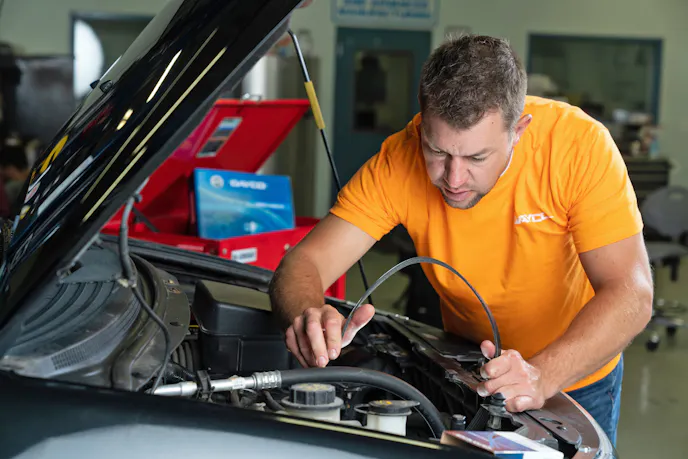
What’s the easiest way to measure for proper belt length? I feel like I return more belts than I buy. There’s got to be a better way. – Nicholas B.
For a modified belt drive, the best way to get close is to route a string around the pulleys, mark the overlap, and measure the string. If you can get a helper, you can actuate the tensioner and select a length that’s in the middle of its throw.
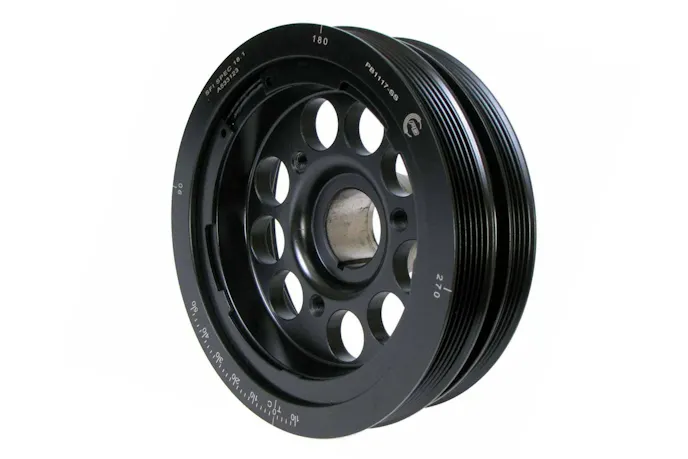
What’s the difference between a street and a race balancer? Is there a performance difference? What about longevity? – Marc W.
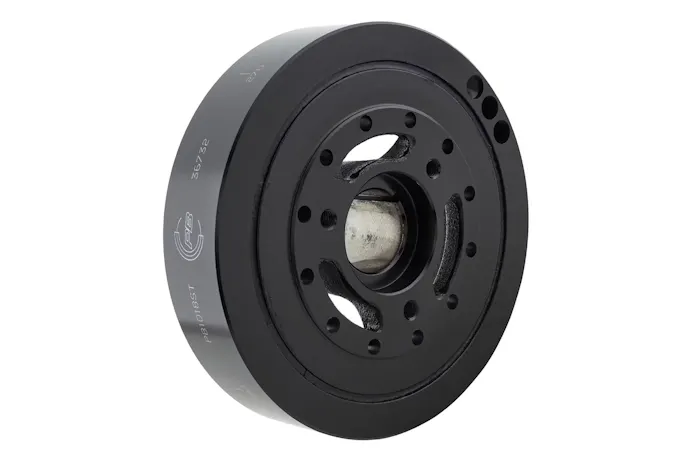
The street balancer is a nice upgrade over stock, with laser-etched timing marks and a nice finish, but the Dayco racing balancers are SFI-approved and have been tested beyond 21,000 rpm. The racing balancers also use a 1045 forged steel hub, and are designed to be as light as possible, while maintaining the strength required for racing applications.
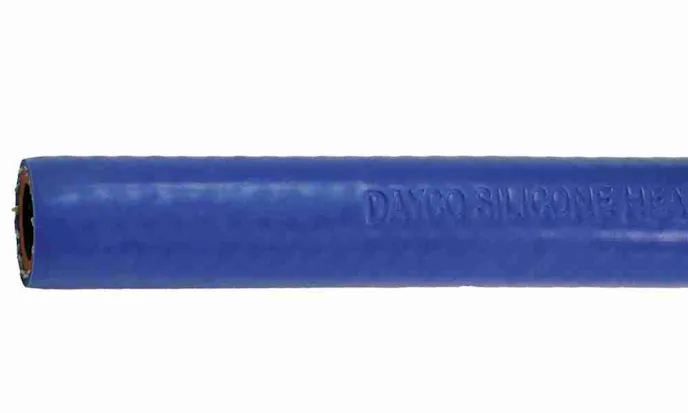
Is there any benefit to silicone coolant hoses over the standard rubber ones, other than aesthetics? – Glenn C.
Silicone hoses typically have a have a longer life due to higher heat tolerance. They also take less of a “set” in operation, so they’re easier to remove and reinstall over time.
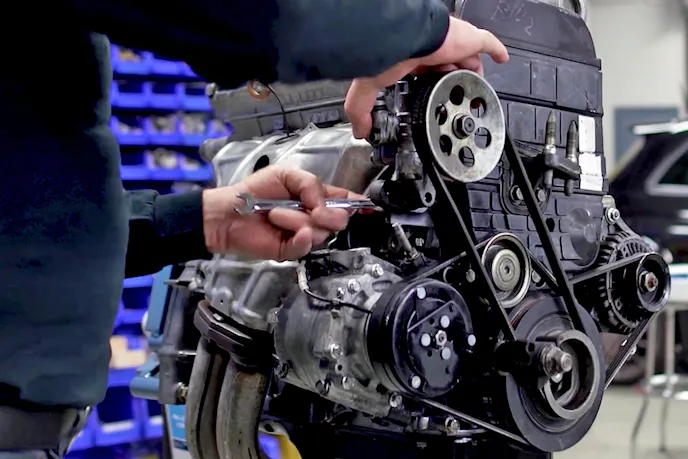
When custom routing a serpentine belt, is there any downside to running the smooth side of a belt on a ribbed idler, or vice versa, with the ribbed side of the belt on a smooth idler pulley? – Grant F.
Yes – the belt and pulley are designed to work together, even on an idler. The belt will wear abnormally and have a much higher risk of noise issues. The ribbed belt on a smooth pulley will crush and distort the ribs. The flat backside of a belt on a ribbed pulley will cut into and damage the backside of the belt.
These were the top ten questions submitted by you, the reader, for Dayco. If you submitted a question that wasn’t answered here, Dayco’s Tech Team is available to answer your questions anytime via this support form, or by emailing them at PartsSupport@dayco.com for product or technical information. If you need immediate assistance, call 800-848-7902 and ask for the tech team. They are available Monday through Friday, 8:00 am through 5:00 pm, Eastern Time. If you happen to get voicemail, they aim to return tech-line calls within one business day.
You might also like
Chevrolet’s Sixth-Generation Small-Block Brings Back The Big Inches
The new lineup of Chevrolet small-block engines revives the 350, 400, and 409 cubic-inch displacements for the sixth generation.