
When it comes to weird engines, there are a lot of things that can be defined as “weird.” In this installment of Weird Engine Wednesday, there are a number of features that fall squarely under the “unusual” category. So, let’s dive into the 1.6L Esso-Cross rotary valve engine.
How The Esso-Cross Engine Came To Be
In the never-ending quest for more internal combustion efficiency, Esso, the petroleum products company, teamed up with British aerospace company Cross Manufacturing in the early 1970s. Back then, engine efficiency was only a shadow of what we know now, and the project’s target was to achieve 90 horsepower per liter (or 1.48 hp/ci). The plans to achieve that relied on some rather unconventional design features.
Cross Is More Than A Name
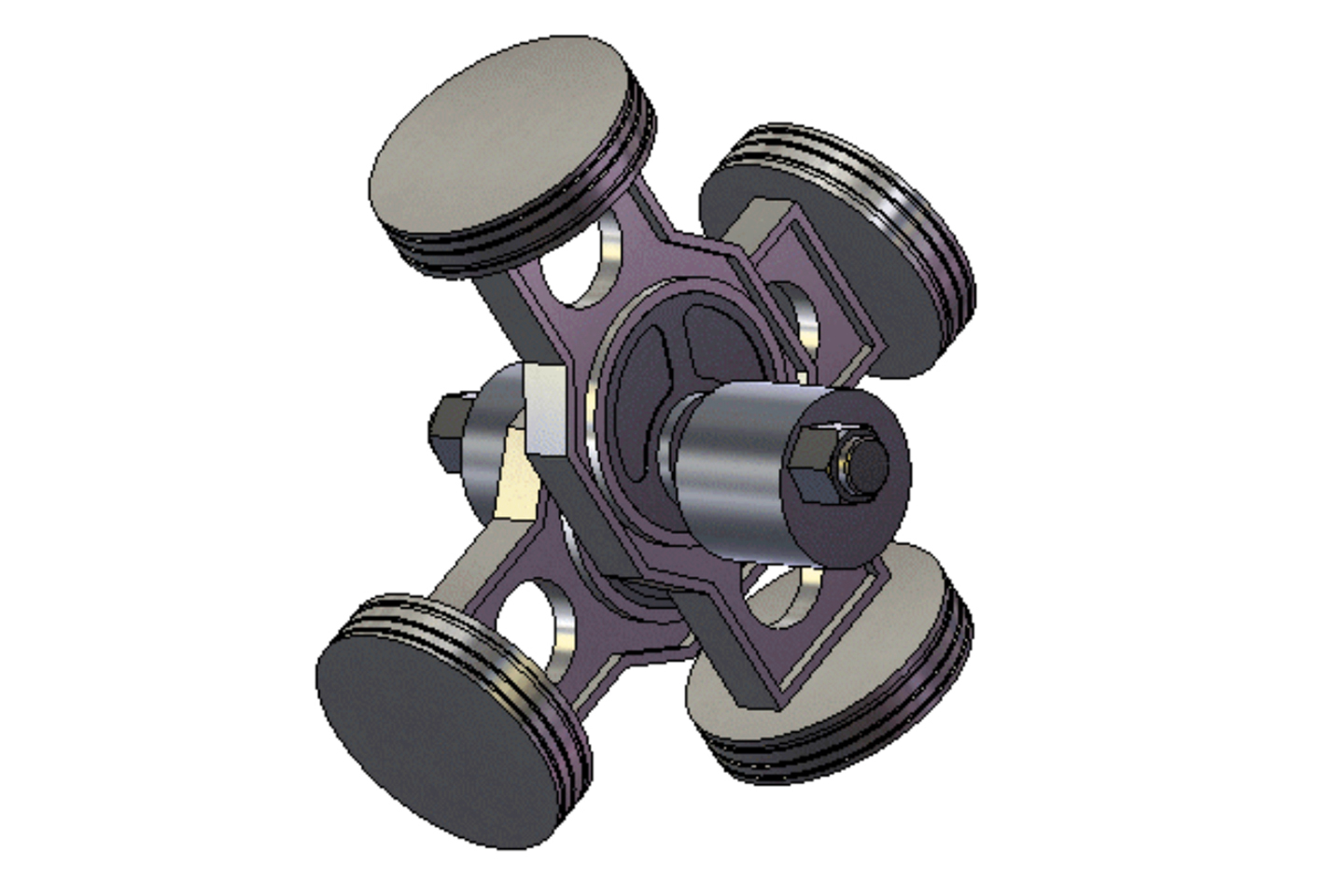

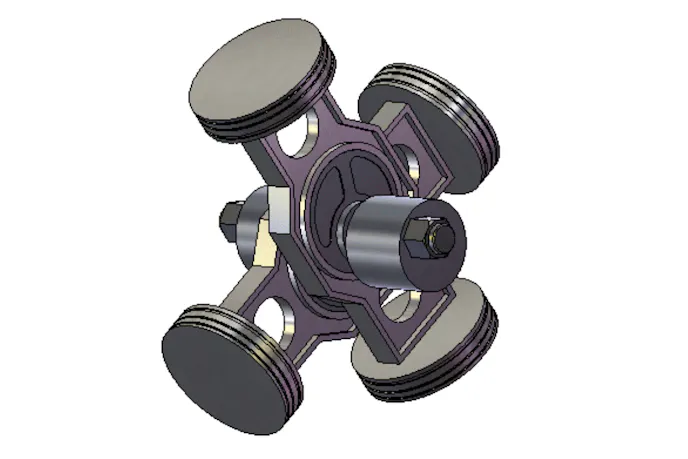
The most immediate visual feature of the Esso-Cross engine is its cylinder configuration. While it could be classified as an X engine, it is far from standard, and the name “Cross” has nothing to do with the design itself. Each pair of aligned cylinders featured a pair of pistons connected not with traditional connecting rods, but rather a single bar that not only locks the pistons into a perpetual thrust and parry with each other, but also engages the crankshaft eccentric, providing rotational motivation.
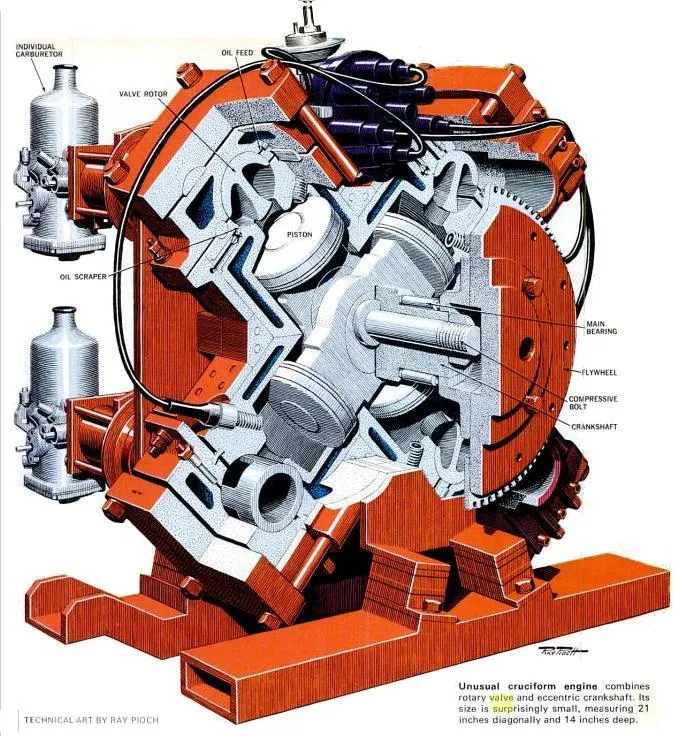
The pair of these contraptions formed an “X”, with four pistons, four cylinders, but only two “connecting rods.” Each cylinder had its own cylinder head and carburetor feeding it, along with a single spark plug fired by a standard (in relation to everything else on the engine) distributor. Technically, it would be an overhead valve engine, because the valves were, indeed, above the deck of the cylinder. However the valves were far from traditional.
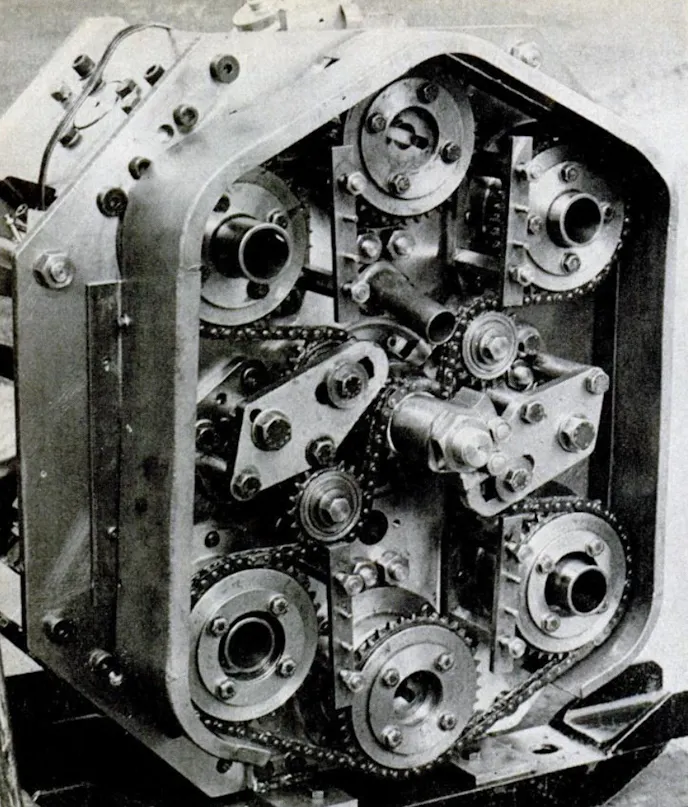
The major unique feature of the Esso-Cross engine was the use of rotary vane valves. A cylinder with specific size and shaped voids would rotate like an overhead cam, but the voids in the cylinder acted like both a cam lobe and poppet valve, in that it both allowed intake air and fuel into the cylinder, sealed against combustion, and then a separate void in the cylinder allowed spent gasses to be expelled as it rotated by the cylinder opening.
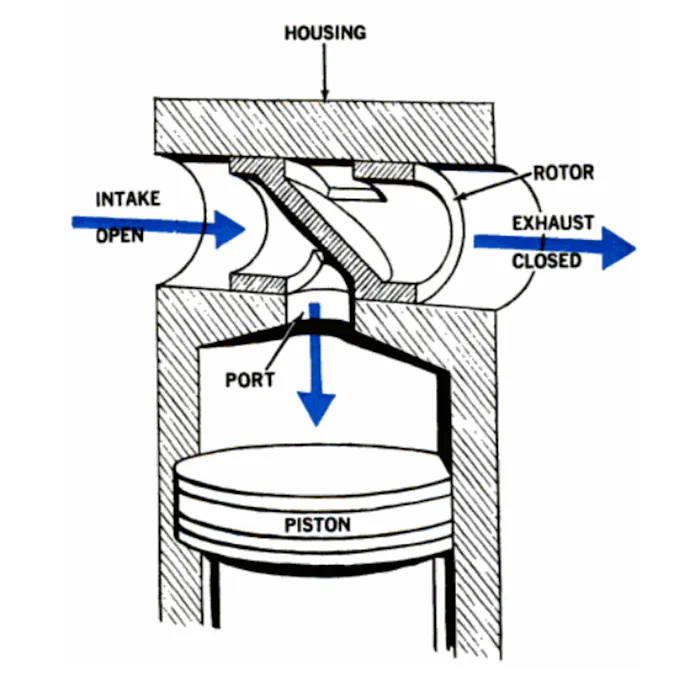
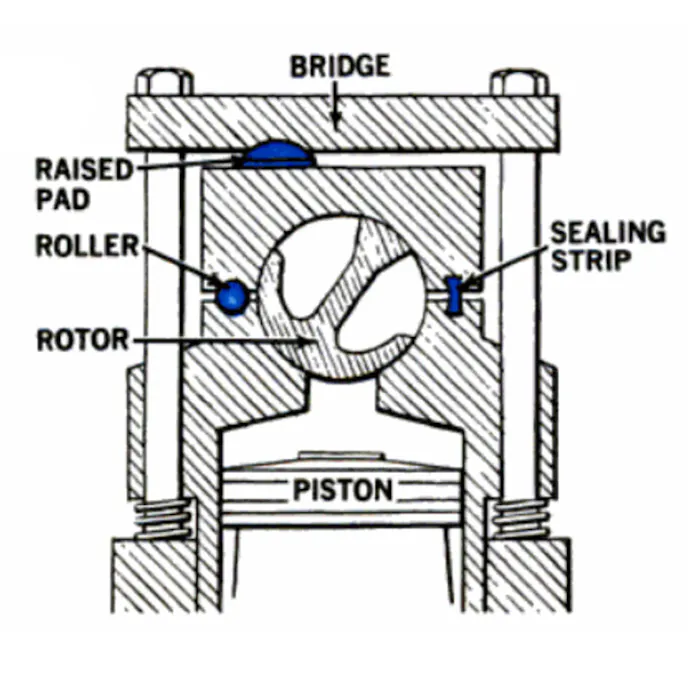
The Esso-Cross had quite a high compression ratio for the time of 10.5:1. It was able to pull this off on 1970s-era pump gas thanks to the smooth surfaces offered by the rotary valve arrangement. However, as reported by Popular Science in 1975, the engine was only producing slightly less than half of the 145-horsepower goal. That was the last that was publicly heard about the Esso-Cross engine, as it never made it into any form of production.
You might also like
Finding The Limit: Exploring A Blown-Up VK56 Engine
There's been a lot of hype around the Nissan VK56 engine as of late, but someone found the limit, and in spectacular fashion.