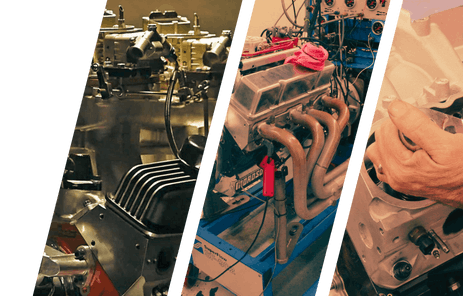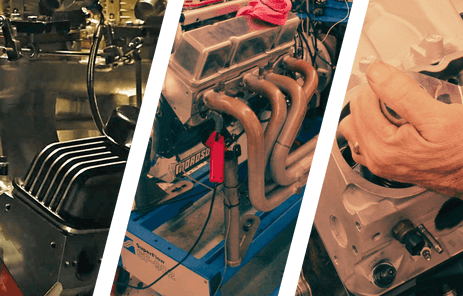

Competing at the absolute top tier of the FIA World Endurance Championship takes serious preparation. Ford Racing knows the stakes are incredibly high for their upcoming return to the global grid, which is exactly why they brought the new powertrain program completely in-house. Before the rubber ever meets the tarmac in France, the engineering team is pushing the Hypercar 5.4 Coyote to its absolute physical limits inside a secure testing facility in Dearborn.
Running Le Mans In A Michigan Laboratory
Waiting for precious track time simply does not cut it in modern endurance racing. Ford utilizes an incredibly advanced engine dyno to simulate a complete lap around the legendary Circuit de la Sarthe. Powertrain chief engineer Christian Hertrich noted that the simulation replicates every single braking zone, gear change, and wide-open throttle pull down the Mulsanne straight in real time.

Screaming Past Nine Thousand RPM
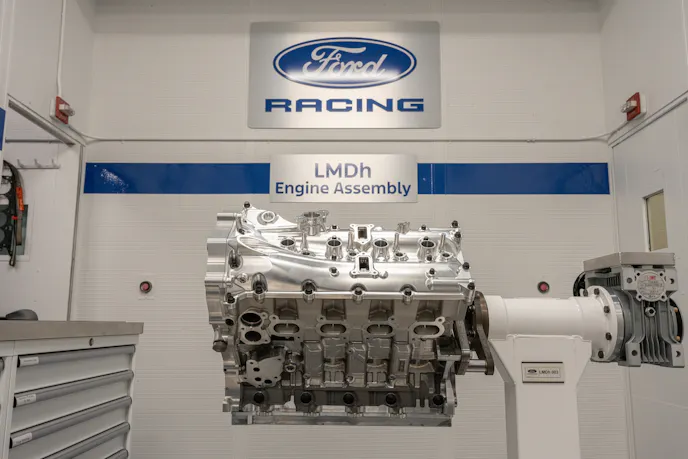
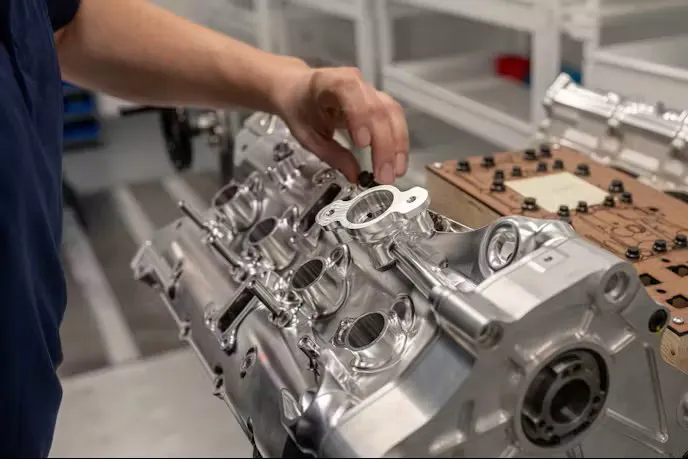
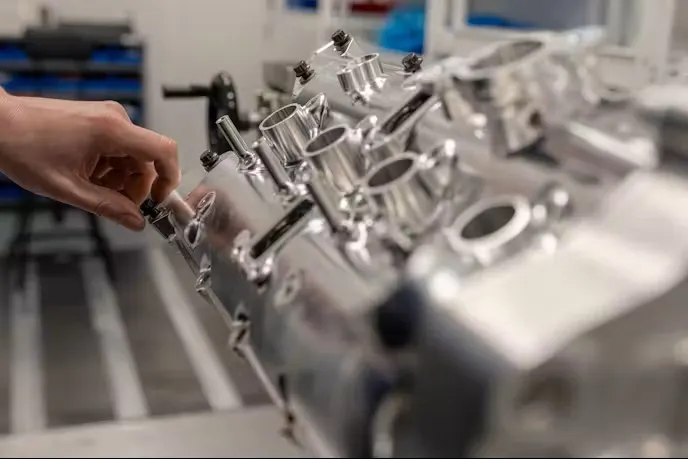
A purpose-built endurance powerplant needs to sound just as aggressive as it performs. A recent behind-the-scenes video revealed the raw mechanical scream of the Hypercar 5.4 Coyote charging hard past the 9,000-rpm mark. While the architecture shares DNA with the familiar production Coyote V8, nearly every single internal component is heavily modified for sustained track abuse. The footage showed off a set of beautifully machined billet cam covers sitting over the dual overhead cam layout. Even sitting stationary on a testing stand, the heavily fortified block looks like a serious piece of racing weaponry.
Dialing In The Driver Experience
Building a bulletproof engine is only one piece of the endurance racing puzzle. While the Michigan crew handles the brutal powertrain validation, the rest of the racing team is hard at work at the Ford Technology Center down in North Carolina. Drivers are currently logging countless hours inside an advanced cockpit simulator. This digital seat time allows the pilots to build deep muscle memory with the complex steering controls and memorize specialized race procedures. Nailing down these critical details in a virtual environment removes major blind spots before the team unloads the actual car for physical testing.
Echoes Of A Historic Racing Legacy
Running these brutal engine simulations carries a massive historical connection for the Blue Oval. The current powertrain facility sits only a few yards away from the exact same buildings where engineers developed the legendary GT40 program over six decades ago. Technology has obviously evolved since those vintage championship runs, but the core philosophy of relentless preparation remains entirely intact. The team simply cannot afford to wait for track days to start learning how the engine behaves under heavy loads.
Watching a major manufacturer embrace a naturally aspirated V8 for top-tier global competition is a massive win for traditional racing fans. The upcoming 2027 season is approaching rapidly, and hearing the Hypercar 5.4 Coyote sing at high RPM proves Ford is ready for a serious fight.
You might also like
New Formula 1 and LIQUI MOLY Partnership Brings Multi-Year Renewal
The Formula 1 and LIQUI MOLY partnership expands through a new multi-year deal. The manufacturer now serves as an Official Supporter.